Addressing Moisture Intrusion and Mold Growth in Your Home’s Subfloor Area After a Hurricane
As the 2026 hurricane season begins, Galveston County and the Texas Gulf Coast are reminded to stay alert and prepared. While the region has not yet experienced significant storms this year, local officials continue to stress hurricane preparedness and proactive home care. Even minor tropical disturbances or heavy rainfall—both common for our area—can result in moisture intrusion and mold growth in subfloor spaces. Homeowners should act quickly after any notable weather event to protect their property and health.
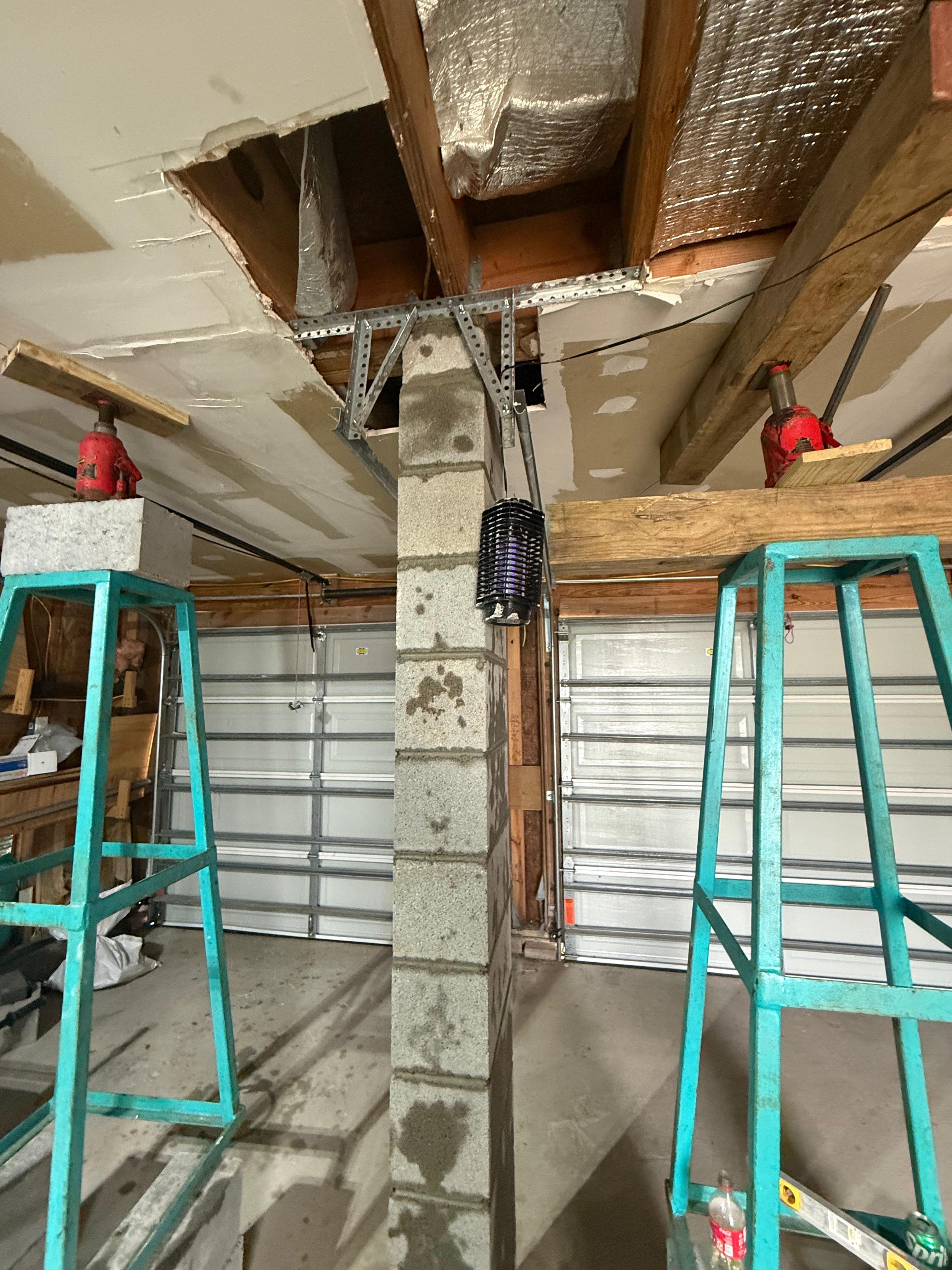
Steps to Address Moisture Intrusion and Mold Growth
1. Remove Standing Water
- Action: Use pumps, wet vacuums, or professional water extraction services to remove any standing water from the subfloor area as soon as possible.
- Purpose: Standing water accelerates mold growth and can compromise your home’s structural integrity if not addressed quickly.
2. Ventilate and Dry
- Action: Open flood vents, use fans, and, if needed, rent commercial dehumidifiers to increase air circulation and promote drying. Continue ventilation until all moisture levels are back to normal.
- Purpose: Thorough drying prevents mold growth and protects the subfloor structure from decay.
3. Remove Wet Materials
- Action: Discard water-damaged insulation, stored items, or debris that cannot be salvaged. Wet materials can harbor mold and slow the drying process.
- Purpose: Removing these materials eliminates potential mold sources and helps the area dry out more efficiently.
4. Clean and Disinfect
- Action: Once dry, clean all surfaces with water and mild detergent. Follow up with a disinfectant solution (such as 1 cup of bleach per gallon of water) to kill any remaining mold spores.
- Purpose: Cleaning and disinfecting stops mold spores from growing and spreading, creating a healthier environment.
5. Inspect for Mold
- Action: Carefully inspect all subfloor surfaces, pilings, and floor joists for signs of mold. Pay close attention to dark, damp, or hidden areas.
- Purpose: Early detection allows for prompt removal and prevents further spread.
6. Remove Mold
- Action: If mold is present, use a commercial mold remover, diluted bleach solution, or hire a professional mold remediation company. Always wear protective gear and follow safety guidelines during removal.
- Purpose: Proper removal ensures the mold does not return and the area is safe for your family.
7. Repair Moisture Sources
- Action: Identify and repair sources of moisture, such as leaks, cracks in the foundation, or poor drainage around your home.
- Purpose: Fixing the root cause is essential to prevent future moisture and mold problems.
8. Consider a Moisture Barrier
- Action: Install a vapor barrier (heavy-duty plastic sheeting) over the soil in the subfloor area to limit moisture migration.
- Purpose: A moisture barrier helps keep the area dry, reducing the risk of mold and wood rot.
9. Monitor and Maintain
- Action: Regularly inspect the subfloor for signs of moisture or mold. Consider installing a dehumidifier or moisture alarm for ongoing protection.
- Purpose: Ongoing monitoring and maintenance help ensure your subfloor stays dry and mold-free, protecting your home’s foundation.
10. Consult Professionals
- Action: For extensive moisture or mold issues, contact a structural engineer, mold remediation specialist, or a trusted foundation repair contractor like TerraFirm Leveling.
- Purpose: Professional assessment ensures all issues are thoroughly addressed and your home remains safe and structurally sound.
Stay Proactive During the 2026 Hurricane Season
With hurricane season underway and local authorities emphasizing preparedness, Galveston County homeowners should be diligent about moisture and mold issues in subfloor areas—even if major storms have not yet made landfall. Routine inspections and prompt action after any heavy rain or tropical system can help reduce structural risks and protect your family’s health. Consistent maintenance is essential to prevent future problems and keep your home’s foundation strong, especially in the unpredictable Gulf Coast climate.
Conclusion
Managing moisture intrusion and mold growth in your home’s subfloor area after a hurricane or major rain event requires quick and thorough action. By following these steps, homeowners on the Texas Gulf Coast can protect their homes from structural damage and maintain a healthy living environment.
For professional moisture and mold remediation, contact TerraFirm Leveling. Our experienced team is ready to help restore your home’s safety and integrity. Reach out to TerraFirm Leveling today at +14092497664 or [email protected] for expert assistance in protecting your home from moisture and mold damage.