FAQ
1. What are the most common types of hurricane damage to the piling support structures of elevated homes on the Texas Gulf Coast?
The most common types of hurricane damage to piling support structures of elevated homes on the Texas Gulf Coast include:
Wind damage: High winds during hurricane season can cause cracks, splintering, and loosening of connections in wooden pilings, reducing structural integrity and increasing the risk of failure.
Flood and wave damage: Storm surge and waves may erode soil around pilings, causing settlement or collapse. Floodwaters reaching the main floor system can lead to uplift, while waves and debris can batter and damage pilings and bracing.
Corrosion: Saltwater flooding rapidly corrodes unprotected metal hardware or steel supports, weakening the structure.
Moisture damage: Saturated wooden pilings are susceptible to wood rot and mold, which can undermine the structure and create unhealthy indoor conditions.
These risks remain a top concern as Galveston County enters the 2026 hurricane season. Local homeowners should stay proactive with inspections and maintenance, especially as hurricane preparedness is critical for the Texas Gulf Coast.
For expert assistance, contact Terrafirm Leveling Company at 409-249-7664. Our team is ready to help you protect your home from hurricane and storm damage.
2. How can homeowners identify signs of wind, flood, and moisture damage to their home’s pilings and support system?
Homeowners can identify signs of wind, flood, and moisture damage by looking for:
Wind damage:
Cracks, splits, or splintering in wooden pilings and braces
Loose, missing, or damaged connectors (nails, screws, bolts, etc.)
Leaning, tilting, or swaying of the structure
Flood and wave damage:
Erosion or scouring of soil around piling bases
Uneven settlement or sinking of the structure
Cracks, dents, or breakage in pilings and braces from debris impact
Rust, corrosion, or deterioration of metal components
Moisture damage:
Visible mold, mildew, or fungal growth on pilings and supports
Soft, spongy, or discolored wood indicating rot or decay
Damp, musty odors in the subfloor area
Peeling paint or blistering of wooden surfaces
With the 2026 hurricane season approaching and the Texas Gulf Coast entering another period of heightened storm risk, regular visual inspections and prompt professional assessments are essential for Galveston County residents. Early detection and repairs help prevent further deterioration and maintain your home’s safety.
Need a professional inspection? Reach out to [email protected] for comprehensive evaluations and expert repairs.
3. What are the critical building code requirements for elevated homes in hurricane-prone areas of the Texas Gulf Coast?
The main building code requirements for elevated homes in hurricane-prone areas like Galveston County include:
Elevation:
Homes must be elevated above the Base Flood Elevation (BFE) with additional “freeboard” as required by local ordinances.
Foundation and Pilings:
Pile foundations must have sufficient embedment depth and meet size and spacing requirements based on wind speed, exposure, and soil conditions.
Wind Load Resistance:
Homes must be designed to withstand high wind pressures, using hurricane clips, straps, and connectors to transfer uplift loads from the roof to the foundation.
Flood Openings:
Enclosed areas below the BFE must have flood vents to equalize hydrostatic pressure.
Breakaway Walls:
Enclosures below the BFE must have breakaway walls that fail under storm surge forces without damaging the main structure.
Corrosion Resistance:
Metal connectors and fasteners must be corrosion-resistant for the coastal environment.
Moisture and Termite Protection:
Pressure-treated or decay-resistant wood is required for structural members below the BFE, with proper ventilation and moisture control.
Adhering to these codes is crucial for homes on the Texas Gulf Coast, especially as hurricane season approaches and local authorities continue to emphasize storm readiness for 2026.
To ensure your home meets these requirements, consult with the experts at Terrafirmleveling.com or call 409-249-7664. We can help you achieve compliance and enhance your home’s resilience.
4. How often should homeowners schedule professional inspections of their elevated home’s piling support system?
Homeowners should schedule professional inspections of their piling support system at least every three to five years. However, in Galveston County and other coastal areas, several factors may require more frequent inspections:
Age of the Home: Older homes (20-30+ years) may need inspections every two to three years.
Location and Exposure: Homes closer to the coastline or in high-risk flood zones may need annual inspections.
Previous Damage or Repairs: Homes with a history of hurricane damage or repairs should be checked more often.
Observable Changes: If you notice settlement, tilting, or cracks, schedule an inspection immediately.
Code and Insurance Requirements: Local codes or insurance policies may dictate inspection intervals.
After any major storm or hurricane, schedule a professional inspection regardless of your regular interval.
To schedule a professional inspection, contact [email protected]. Our experienced team is here to help maintain your home’s structural integrity and safety.
5. What factors influence the recommended frequency of piling support system inspections?
Several factors influence how often you should inspect your piling support system:
Age of the Home:
Older homes require more frequent checks due to wear and tear.
Location and Exposure:
Homes near the Gulf or in flood-prone areas need more frequent inspections, especially as hurricane season intensifies.
Previous Damage or Repairs:
A history of storm or flood damage means more frequent monitoring is wise.
Observable Changes:
If you notice settlement, tilting, or cracks, don’t wait—schedule an inspection.
Code and Insurance Requirements:
Local codes or insurance may require regular inspections.
Professional Recommendations:
Structural engineers can advise on the best schedule for your property.
Work with local professionals to determine the right inspection schedule for your home’s unique needs.
Need guidance on inspection schedules? Contact Terrafirm Leveling Company at 409-249-7664 to get expert advice and keep your home in top condition.
6. What steps should homeowners take to prepare their piling support structure for hurricane season?
To prepare for the 2026 hurricane season in Galveston County, homeowners should:
Perform a Visual Inspection:
Check all accessible pilings, braces, and connections for cracks, rot, corrosion, or missing fasteners.
Hire a Professional:
Schedule an assessment by a licensed structural engineer or coastal home inspector to identify weaknesses or code issues.
Make Repairs and Reinforcements:
Promptly address any damage, replace pilings as needed, add bracing, and upgrade connectors.
Control Moisture:
Inspect for moisture intrusion, ensure ventilation, and clear flood openings. Consider installing a vapor barrier.
Remove Debris:
Clear debris around pilings and trim overhanging limbs to reduce storm risks.
Secure Ancillary Structures:
Anchor exterior utilities and equipment.
Review Flood Protection:
Check flood insurance coverage and consider flood monitoring systems.
Document the Condition:
Photograph and note the condition for insurance and future reference.
Taking these steps before hurricane season can help protect your home and extend your foundation’s life.
For professional assessments and repairs, contact Terrafirmleveling.com. Our experts will ensure your home is hurricane-ready for 2026.
7. When is it necessary to hire a professional structural engineer or coastal home inspector to assess an elevated home’s foundation?
Hire a professional structural engineer or coastal home inspector in these situations:
Before purchasing an elevated home:
To identify pre-existing issues or code violations.
After a major hurricane or severe storm:
Even if damage isn’t visible, professionals can detect hidden issues.
When observable changes arise:
If you see settlement, tilting, or cracks, get an expert evaluation.
For older homes or those with previous damage:
Periodic assessments help ensure ongoing safety and compliance.
Before major renovations:
To determine if the foundation can support planned changes.
To meet insurance or mortgage requirements:
Some insurers and lenders require regular inspections.
For peace of mind:
Regular professional assessments (every 3-5 years) can catch issues early.
For expert inspection and peace of mind before the 2026 hurricane season, contact us at [email protected] or call 409-249-7664.
8. What are the main repair options for damaged pilings, and how do homeowners decide between repair and replacement?
The main repair options for damaged pilings include:
Piling Replacement: Severely damaged or rotted pilings are replaced by supporting the structure, removing the old pilings, and installing new ones.
Piling Splicing: Damaged sections above ground can be removed and replaced with new segments, using steel or concrete splices.
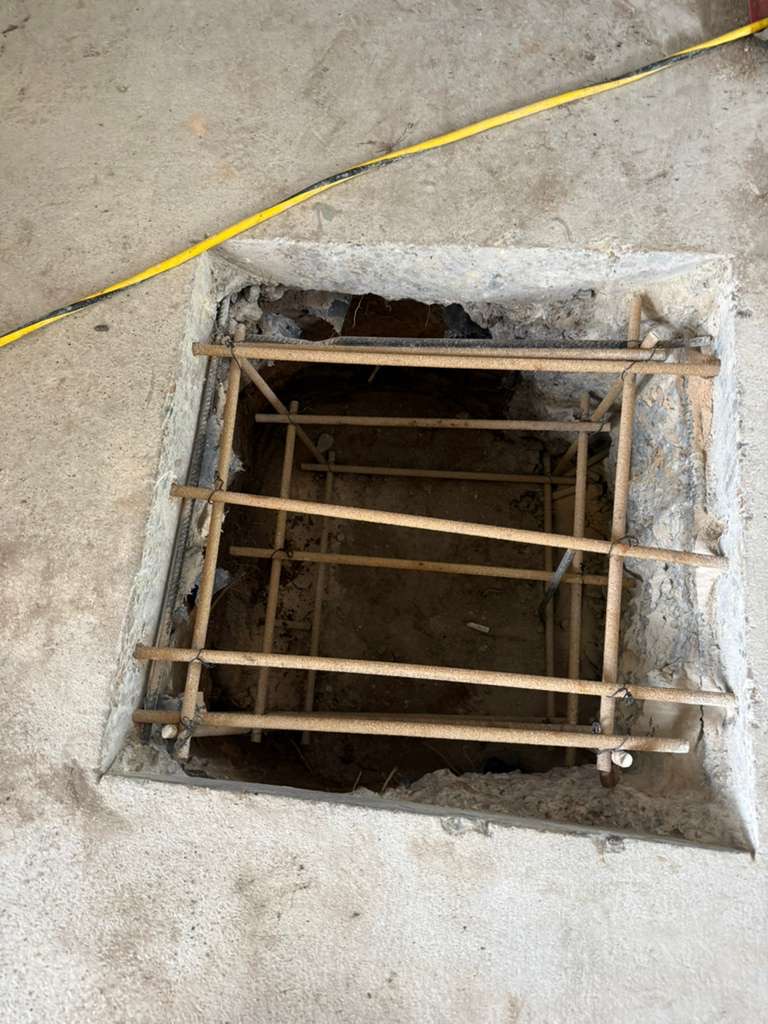
Piling Encapsulation: Cracked or deteriorated but structurally sound pilings can be reinforced and encapsulated with grout and steel cages.
Bracing and Connections: Replacing or upgrading cross-bracing and connectors helps resist future storm forces.
Consider the following when deciding between repair and replacement:
Extent of Damage: Widespread damage may require replacement.
Age and Condition: Older or extensively deteriorated pilings often need replacement.
Building Code Requirements: Repairs must meet current codes, which may require replacement of outdated pilings.
Cost and Budget: Replacement is more expensive but may be necessary for long-term safety.
Professional Recommendations: Structural engineers can advise on the best solution for your home.
For expert advice on repairs or replacement, call 409-249-7664 or email [email protected]. Our professionals will help you make the right decision for your home.
9. How can homeowners address moisture intrusion and mold growth issues in their home’s subfloor area after a hurricane?
To address moisture and mold issues after a hurricane:
Remove Standing Water:
Use pumps or wet vacuums to remove water quickly.
Ventilate and Dry:
Open flood vents, use fans, and consider commercial dehumidifiers.
Remove Wet Materials:
Discard water-damaged insulation or debris.
Clean and Disinfect:
Clean surfaces with detergent, then disinfect with a bleach solution.
Inspect for Mold:
Look for mold growth on all surfaces, especially in hidden areas.
Remove Mold:
Use commercial mold removers or hire professionals for extensive growth.
Repair Moisture Sources:
Fix leaks, cracks, or grading issues to prevent recurrence.
Install a Moisture Barrier:
Consider a vapor barrier over soil.
Monitor and Maintain:
Regularly check for moisture or mold and address issues promptly.
Consult Professionals:
For large or persistent problems, contact a remediation specialist or foundation contractor.
For professional moisture and mold remediation, contact Terrafirm Leveling Company at 409-249-7664. Our team is equipped to restore your home’s safety.
10. What are some case studies of hurricane damage to elevated homes on the Texas Gulf Coast, and what lessons can be learned from these real-world examples?
Several case studies from recent Gulf Coast storms offer valuable lessons:
Hurricane Ike (2008) – Crystal Beach, TX:
Older homes with inadequate piling depth and weak connections were destroyed, while those with deeper pilings and stronger connections fared better.
Hurricane Harvey (2017) – Rockport, TX:
Storm surge and wave action caused pilings to snap or wash away, highlighting the need for robust foundations and proper bracing.
Hurricane Laura (2020) – Sabine Pass, TX:
Newer homes survived structurally but suffered interior damage from wind-driven rain, showing the importance of sealing roofs and windows.
Hurricane Nicholas (2021) – Galveston, TX:
Foundation issues arose from soil saturation and erosion, emphasizing the need for site grading and drainage.
Hurricane Beryl (2024):
Recent storms show that homes built or upgraded to current codes, with well-maintained pilings and bracing, perform significantly better.
Lessons learned:
- Follow modern building codes and best practices for coastal construction.
- Ensure proper piling depth, size, and spacing for stability.
- Strengthen structural connections to resist uplift and lateral loads.
- Implement flood protection like breakaway walls and flood vents.
- Seal the building envelope to prevent water intrusion.
- Maintain and inspect regularly to address weaknesses before storms.
By applying these lessons, Galveston County homeowners can better withstand the challenges of the 2026 hurricane season and beyond.
For tailored advice, contact Terrafirm Leveling Company at 409-249-7664. Our experts are dedicated to helping you build a resilient, hurricane-ready property.