House Leveling in Galveston, TX
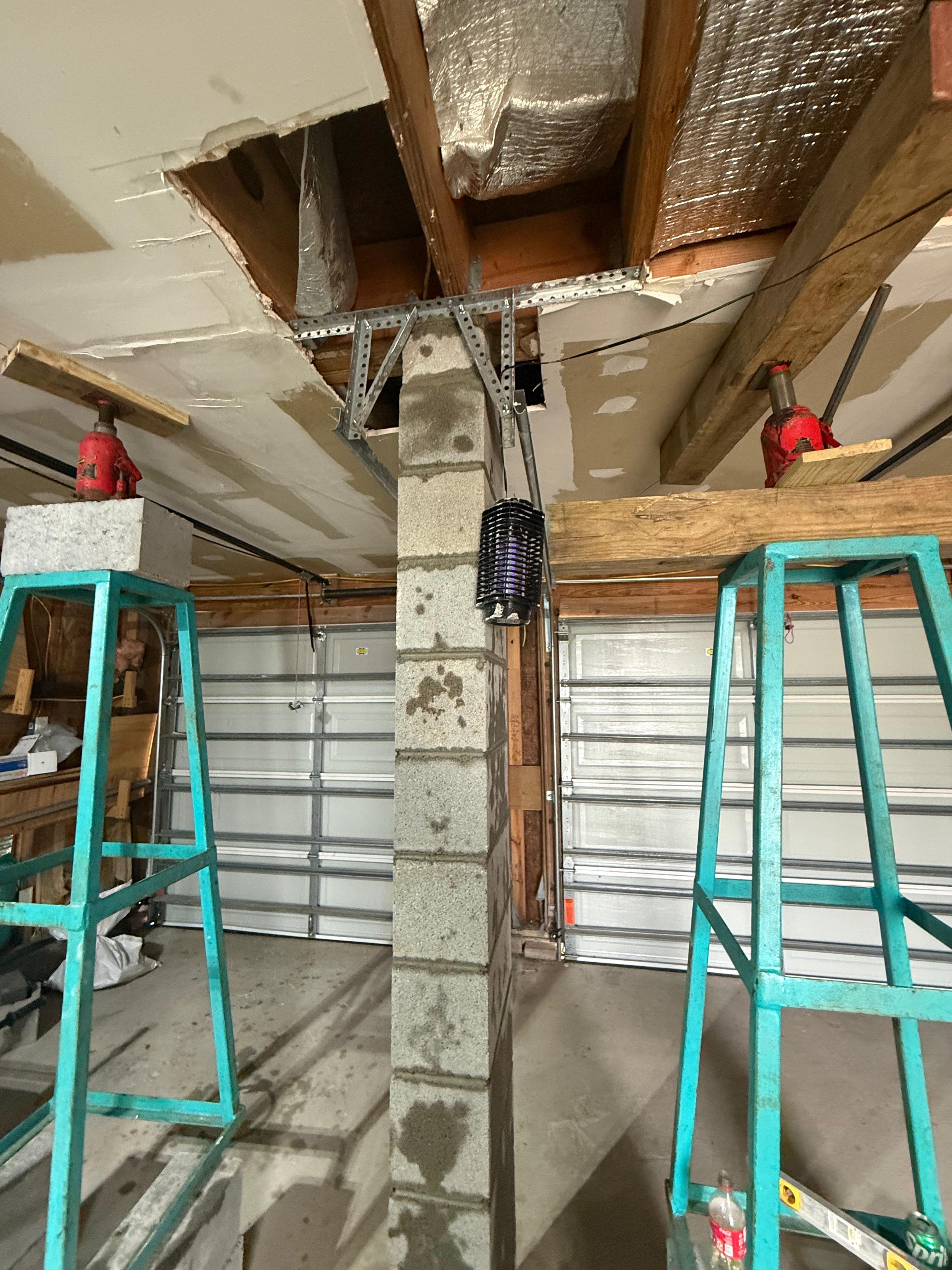
Galveston Island’s unique blend of sandy soils, high water tables, and over a century of gradual land subsidence continues to challenge homeowners with foundation settling and uneven floors in 2026. As another hurricane season arrives along the Texas Gulf Coast, local officials are again encouraging residents to ensure their homes are ready for heavy rains, flooding, and tropical weather. If you’re noticing sloping floors, sticking doors, or diagonal cracks near windows and doors, now is the time to consider professional leveling—TerraFirm Leveling is your trusted local expert.
Why Galveston Homes Settle Unevenly
Sandy and Fill Soils
Much of Galveston Island’s housing sits atop sandy barrier island soils or engineered fill from early 20th-century development. These materials are loose and compressible, making them susceptible to erosion during wet-dry cycles and flooding. Unlike Houston’s expansive clay, Galveston’s soils are more likely to compact or wash away, causing piers and pilings to lose stability over time—especially after the heavy rains and high tides that are common along the Gulf Coast.
The Galveston Grade Raising Project
After the devastating 1900 hurricane, Galveston raised its grade by pumping in sand slurry from the bay, lifting hundreds of buildings as much as 17 feet. The legacy of this fill, now over a century old, means many homes rest on soils that have settled at different rates. This historic engineering feat still impacts how and why homes settle today, especially in older neighborhoods.
Land Subsidence
Galveston County remains part of the Houston-Galveston subsidence zone, one of the most significant in the country. The Harris-Galveston Subsidence District (HGSD) continues to monitor and manage subsidence caused by groundwater withdrawal. Surveys show that some areas have sunk as much as 6 to 10 feet since the early 1900s, and while rates have slowed, minor shifts still occur. Even newer homes can develop uneven floors as a result.
High Water Table and Moisture Effects
Galveston’s water table often sits just 2 to 4 feet below the surface. Persistent moisture leads to:
- Wood beam degradation — Accelerated decay and insect activity in pier-and-beam systems
- Pier deterioration — Older concrete and brick piers absorb moisture, weakening over time
- Erosion of bearing soil — Water movement beneath foundations gradually removes supporting material
With hurricane season underway and the Texas Gulf Coast continuing to face unpredictable storms, it’s essential to address these issues before increased rainfall and flooding put extra stress on your foundation. Local officials have again emphasized hurricane preparedness for 2026, making now a smart time to schedule a foundation inspection.
Warning Signs Your Galveston Home Needs Leveling
Keep an eye out for these common signs of foundation settlement:
- Sloping floors — A 4-foot level on your floors can reveal more than 1 inch of slope over 8 feet, which signals trouble
- Sticking or binding doors and windows — Settlement racks door frames, making operation difficult
- Diagonal cracks at door and window corners — Classic 45° cracks indicate differential movement
- Gaps between walls and ceiling or floor — Signs that the structure is shifting
- Visible floor slope — Marbles or water rolling in one direction
- Cracks in exterior brick — Stair-step cracks in brick veneer point to settling below
- Soft, spongy floors — May indicate beam or joist decay, not just settlement
What House Leveling Involves
Pier-and-Beam Leveling
Most historic Galveston homes use pier and beam foundations. Leveling involves:
- Crawl space inspection — We measure pier heights and assess beams, moisture, and deterioration
- Shimming and sister-beam installation — Steel shims or new beams restore level floors
- Pier replacement or reinforcement — Deteriorated piers are replaced with new concrete or steel piers
- Mudsill and beam repair — Rotted or insect-damaged beams are replaced or reinforced
- Moisture barrier installation — 6-mil polyethylene vapor barriers are installed to reduce future moisture problems
Slab Leveling
For slab-on-grade homes, we use:
- Polyurethane foam injection (slabjacking) — Expanding foam fills voids and lifts settled slabs
- Steel pier underpinning — Steel push piers are driven to stable strata and used to hydraulically lift the slab
Service Areas Throughout the Galveston Bay Region
TerraFirm Leveling proudly serves the entire Galveston Bay area:
- Galveston Island — Including historic East End, Midtown, and West End
- Bolivar Peninsula — Crystal Beach, High Island, Port Bolivar
- Texas City and La Marque — High-subsidence areas with many pier-and-beam homes
- Dickinson, League City, Friendswood — Mainland Galveston County communities
- Kemah, Seabrook, Bacliff — Bayfront neighborhoods along Galveston Bay
- Clear Lake, Webster, Nassau Bay — NASA-area communities with diverse foundation types
Why Choose TerraFirm Leveling in Galveston
We are locally based at 2108 26th St, Galveston, TX 77550. Our crews have decades of experience with Gulf Coast soils, high water tables, historic Galveston construction, and the permitting requirements of local building and floodplain departments.
- 20+ years of experience on the Texas Gulf Coast
- Free on-site inspections with written assessment and scope recommendations
- Transparent pricing with no surprise change orders
- Warranty on all leveling work
Frequently Asked Questions
How do I know if my Galveston home needs leveling or full foundation replacement?
Most Galveston pier-and-beam homes can be successfully leveled without full foundation replacement. Full replacement is only needed if piers have failed catastrophically, beams are severely rotted throughout, or the original foundation layout is inadequate. TerraFirm Leveling provides honest, detailed assessments—we never recommend an expensive replacement if leveling will solve the problem.
Will leveling fix my sticking doors and uneven floors permanently?
In most cases, yes. Once the foundation is stabilized and restored to the correct elevation, doors and windows function normally and floor slopes are eliminated. If doors were previously trimmed to fit a racked frame, minor adjustments may still be needed after leveling.
How long does a pier-and-beam leveling project take?
A typical Galveston pier-and-beam leveling project takes 1 to 4 days depending on the number of piers, beam repairs, and crawl space conditions. Larger or more complex projects may take a week or more.
Is a permit required for house leveling in Galveston?
Routine pier shimming and minor leveling work under an existing structure often does not require a permit in Galveston. However, if the project includes structural beam or pier replacement, or modifies the permanent foundation, a permit from the City of Galveston is typically required. TerraFirm Leveling will identify and handle permit requirements during your assessment.