Repairing or Replacing Damaged Pilings: A Guide for Homeowners
Elevated homes along the Texas Gulf Coast—especially in Galveston County—rely on strong piling systems to withstand the region’s coastal climate and the challenges of hurricane season. As the 2026 hurricane season approaches, it’s more important than ever for homeowners to stay proactive about the condition of their pilings. While this spring has brought relatively stable weather, the Gulf Coast’s history of sudden storms and high tides means foundation issues can develop quickly, making regular inspections and timely repairs crucial.
Understanding when to repair or replace damaged pilings is essential for protecting your home’s safety and value. Below, we outline the main repair solutions and offer practical advice tailored for Galveston County and the wider Texas Gulf Coast community.
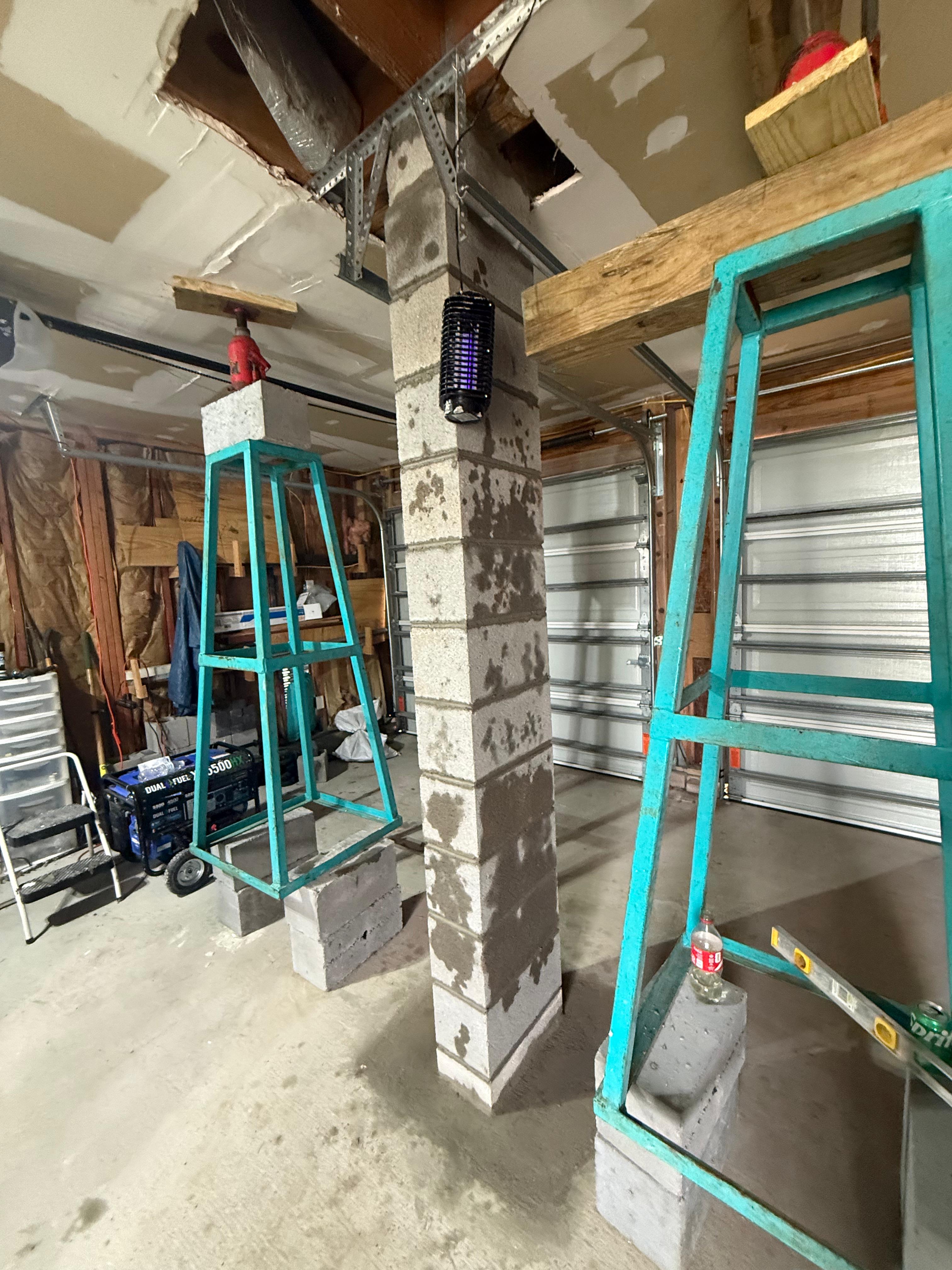
Main Repair Options for Damaged Pilings
1. Piling Replacement
- Description: Severely damaged, cracked, or rotted pilings often need full replacement. This involves temporarily supporting your home, removing compromised pilings, and installing new ones to restore structural integrity.
- When to Use: Replacement is necessary when damage is extensive or the piling’s strength is lost—often after years of exposure to saltwater, humidity, or following major storms and flooding.
2. Piling Splicing
- Description: If the below-ground portion of a piling remains sound but the above-ground section is damaged, splicing can be used. The damaged section is removed and replaced with a new segment, securely attached with steel or concrete connectors.
- When to Use: Ideal when only the exposed portion is affected and the foundation beneath the surface is still stable.
3. Piling Encapsulation
- Description: For pilings with surface cracks or minor deterioration but no deep structural issues, encapsulation involves cleaning, reinforcing with steel cages or mesh, and applying high-strength grout to protect and extend the piling’s life.
- When to Use: Best for superficial damage, encapsulation can help your pilings withstand future storms and the harsh Gulf Coast environment.
4. Bracing and Connections
- Description: Repairs may also include replacing or upgrading cross-bracing, adding lateral supports, or improving connections between pilings and floor beams to help the foundation resist wind and flood forces.
- When to Use: Bracing and connection repairs are essential for strengthening your piling system, especially as part of your 2026 hurricane season preparations.
Factors Influencing the Decision Between Repair and Replacement
Extent of Damage
- Consideration: Assess how widespread and severe the damage is.
- Guidance: If multiple pilings are significantly compromised, replacement is often more reliable and cost-effective than patching individual pilings.
Age and Condition of Existing Pilings
- Consideration: Consider the age and overall wear of your pilings.
- Guidance: Older or heavily deteriorated pilings may not be suitable for repair, making replacement the safer long-term option.
Building Code Requirements
- Consideration: Ensure all work is compliant with current building codes.
- Guidance: Galveston County and Texas Gulf Coast regulations may have updated storm-resistance standards for 2026. Confirm your foundation meets all local requirements, particularly ahead of hurricane season.
Cost and Budget
- Consideration: Compare the costs of repair versus replacement.
- Guidance: While replacement is typically a larger upfront investment, it can offer greater peace of mind and long-term value for homes in high-risk coastal areas.
Professional Recommendations
- Consideration: Consult with structural engineers or experienced foundation repair contractors.
- Guidance: Professionals can assess your specific situation and recommend the most effective solution for your home and local conditions.
Making the Decision: Repair or Replace?
Choosing between repairing or replacing damaged pilings requires a thorough assessment of the damage, your home’s overall condition, and your long-term plans. Sometimes a combination of repair techniques is appropriate, but in other cases, partial or complete replacement is the best choice for safety and stability.
Steps to Decide
- Conduct a Thorough Inspection: Begin with a comprehensive inspection to determine the extent and type of piling damage.
- Consult with Professionals: Bring in a structural engineer or foundation repair expert for an objective evaluation.
- Evaluate Costs and Benefits: Weigh the costs of repair versus replacement, considering both immediate expenses and long-term durability.
- Consider Building Codes: Make sure your chosen solution meets all local codes and standards, especially as the 2026 hurricane season approaches.
- Make an Informed Decision: Use the information gathered to choose the best course of action for your home’s safety and resilience.
Conclusion
Deciding whether to repair or replace damaged pilings is a critical step for the safety of elevated homes—especially for Galveston County and Texas Gulf Coast residents preparing for the 2026 hurricane season. By understanding your options and considering the extent of damage, age of pilings, local code requirements, costs, and professional recommendations, you can make a confident choice that protects your property for years to come.
For expert guidance on piling repairs and replacements, contact TerraFirm Leveling. Our experienced team is ready to help you make the right decision for your home, ensuring it stays secure against the Texas Gulf Coast’s challenging weather. Reach out to TerraFirm Leveling today to prepare your elevated home for the season ahead.