When to Hire a Professional Structural Engineer or Coastal Home Inspector for Your Elevated Home’s Foundation
The foundation of your elevated home is its most critical component, especially in hurricane-prone regions like the Texas Gulf Coast and Galveston County. With the 2026 hurricane season underway, local officials and emergency management teams are emphasizing proactive foundation assessments to help homeowners stay prepared for severe weather and evolving coastal conditions.
Periodic evaluations by professionals specializing in structural engineering and coastal home inspections are increasingly important. These experts understand the unique challenges faced by Gulf Coast homes, such as saltwater exposure, shifting soils, and ongoing threats of storm surge and flooding—key concerns for Galveston County residents as they focus on resilience and preparedness this year.
This guide outlines the main situations when you should hire a professional to evaluate your home’s foundation, supporting your efforts to maintain safety, compliance, and peace of mind as Galveston County communities continue to prioritize storm preparedness in 2026.
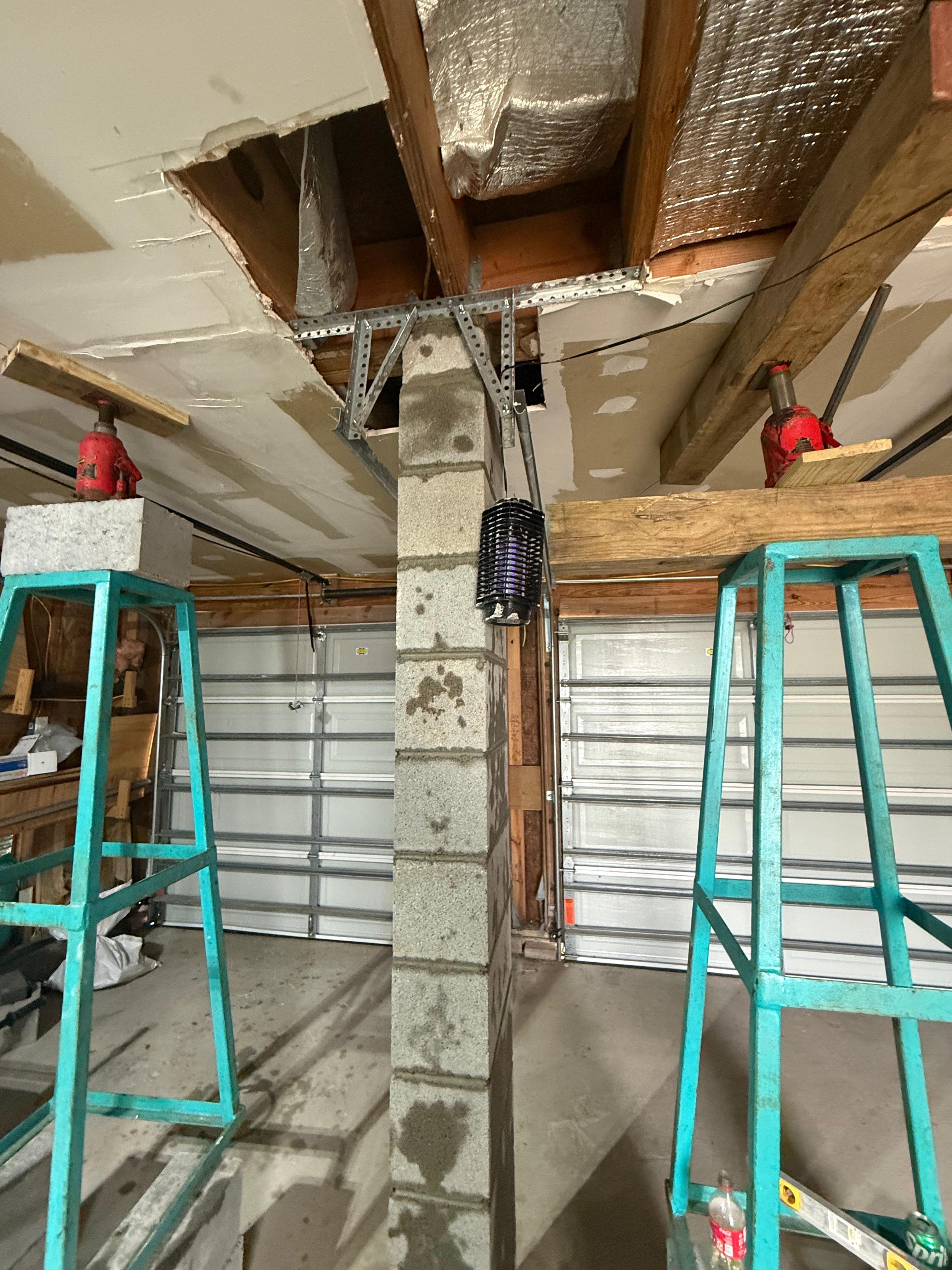
Situations Necessitating Professional Assessment
1. Before Purchasing an Elevated Home
- Identify Pre-Existing Issues: A professional inspection before purchasing an elevated home can reveal any pre-existing issues or code violations that could affect the home’s safety, value, or insurability.
- Informed Decision: Understanding the foundation’s condition helps buyers make informed decisions and negotiate repairs or price adjustments.
2. After a Major Hurricane or Severe Storm
- Detect Hidden Damage: Even if no visible damage is present, a professional assessment can uncover hidden structural issues caused by wind, flooding, or debris impact. This is especially relevant after significant storm events along the Texas Gulf Coast, where recent weather patterns highlight the vulnerability of coastal foundations.
- Ensure Safety: Identifying and addressing these issues promptly helps ensure the continued safety and stability of your home.
3. When Observable Changes or Concerns Arise
- Signs of Settlement, Tilting, or Cracks: If you notice settlement, tilting, cracks, or other unusual changes in your home’s structure or foundation, a professional evaluation is crucial.
- Diagnose and Repair: A structural engineer or coastal home inspector can diagnose the issue and recommend repairs to prevent further damage.
4. For Older Homes or Those with a History of Damage
- Periodic Assessments: Elevated homes over 20-30 years old or those that have sustained hurricane damage or significant foundation repairs should have periodic professional assessments.
- Ensure Structural Integrity: Regular evaluations help ensure continued structural integrity and compliance with current building codes, which may have changed in response to recent storms or updated coastal regulations in Galveston County.
5. Before Planning Major Renovations or Additions
- Evaluate Foundation Capacity: A professional assessment can determine if the existing foundation can support planned changes or if reinforcements are needed.
- Safe Renovations: This ensures that renovations or additions do not compromise the foundation’s stability or the home’s overall safety.
6. To Comply with Insurance or Mortgage Requirements
- Maintain Coverage: Some insurers or mortgage lenders may require periodic professional inspections of elevated homes in high-risk coastal areas like Galveston County to maintain coverage or financing.
- Documentation and Compliance: Ensuring compliance with these requirements protects homeowners from potential insurance disputes and helps secure continued financial support.
7. For Peace of Mind
- Proactive Maintenance: Even if no specific concerns are present, homeowners may choose to hire professionals every 3-5 years for a comprehensive assessment—especially as hurricane season begins and local officials encourage preparedness.
- Preventative Measures: Proactive assessments help identify and address potential issues before they escalate, ensuring long-term safety and resilience.
Benefits of Hiring a Professional
Expertise and Insights
- Specialized Knowledge: Structural engineers and coastal home inspectors have specialized knowledge and experience in evaluating elevated foundations in Gulf Coast conditions.
- Comprehensive Evaluations: They provide thorough assessments, identifying both visible and hidden issues that could affect your foundation’s integrity.
Prioritizing Repairs
- Critical Repairs: Professionals help prioritize repairs based on the severity and potential impact of identified issues.
- Cost-Effective Solutions: Addressing critical issues early can prevent more extensive and costly repairs in the future.
Long-Term Safety and Resilience
- Structural Safety: Regular professional assessments help ensure your foundation remains safe and resilient against environmental stressors, including hurricanes and flooding.
- Building Code Compliance: Professionals ensure your foundation complies with current building codes, protecting your home’s value and insurability.
Hiring a professional structural engineer or coastal home inspector is essential in a variety of situations to ensure the safety, stability, and compliance of your elevated home’s foundation.
From pre-purchase inspections and post-hurricane assessments to periodic evaluations for older homes, professional assessments provide valuable insights and help prioritize necessary repairs.
Our experts are dedicated to maintaining the structural integrity and safety of your home, ensuring it stands strong against the challenges posed by the Texas Gulf Coast’s harsh weather conditions. Reach out to TerraFirm Leveling at +14092497664 or [email protected] to safeguard your elevated home and ensure its long-term resilience.