Preparing Your Piling Support Structure for Hurricane Season
As the 2026 hurricane season gets underway along the Texas Gulf Coast, Galveston County homeowners are reminded of the ongoing need to prepare elevated homes for severe weather. Our region’s coastal environment, paired with annual tropical storm threats, means your piling support structure must be ready to withstand high winds, heavy rain, and potential flooding. With hurricane season officially starting in May, now is the ideal time to ensure your home is protected against the unpredictable weather that can impact our area.
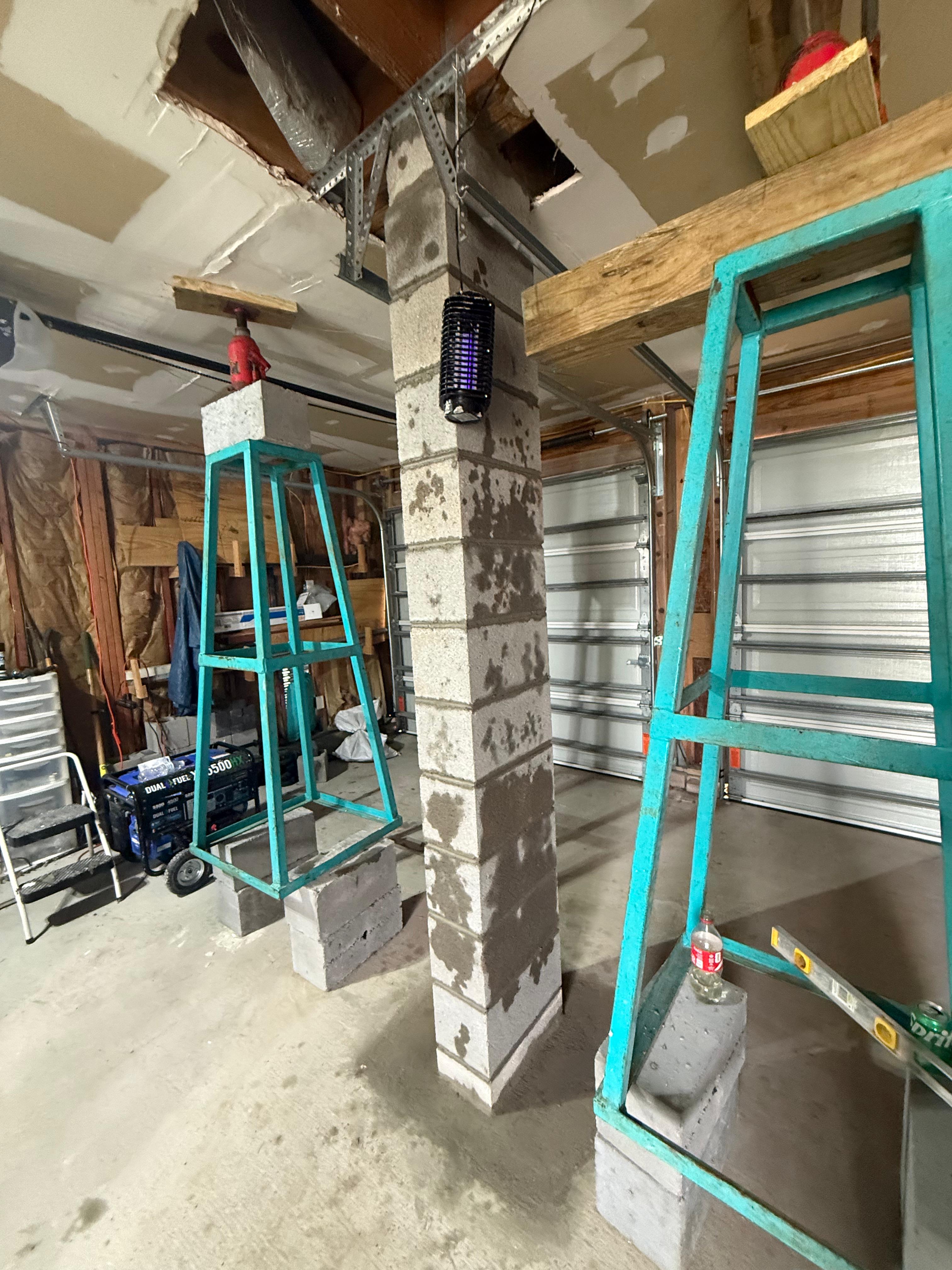
Essential Steps to Prepare Your Piling Support Structure
1. Perform a Visual Inspection
Begin by conducting a thorough visual inspection of all accessible pilings, braces, and connections. Coastal homes in Galveston County are especially vulnerable to rot, rust, shifting, or insect damage due to the humid, salty air. Pay close attention to areas exposed to saltwater, tidal flooding, or spring rainfall that may have saturated the ground. Even if the 2026 season has started quietly, routine checks are vital as weather patterns can shift quickly and the rainy season intensifies.
2. Hire a Professional
While a homeowner inspection is a good start, schedule an in-depth assessment by a licensed structural engineer or experienced coastal home inspector. Professionals can:
- Identify Potential Weaknesses: Detect issues not visible to the untrained eye, especially after recent weather events.
- Code Compliance: Ensure your structure meets current Galveston County and Texas coastal building codes.
- Recommend Repairs: Suggest repairs or upgrades to strengthen your piling support system.
3. Make Repairs and Reinforcements
Address any identified issues promptly to reinforce your piling support structure:
- Replace Damaged Pilings: Remove and replace any pilings that are severely damaged or rotted.
- Add Lateral Bracing: Install additional bracing to improve stability and resistance to lateral forces, which are common during hurricanes.
- Upgrade Connectors: Use stronger connectors or fasteners to enhance the structural integrity.
- Install Scour Protection: Protect the soil around the pilings from erosion caused by floodwaters, which is especially important in low-lying or flood-prone areas of Galveston County.
4. Control Moisture
Moisture control is critical to prevent rot and mold growth:
- Inspect Subfloor Area: Look for signs of moisture intrusion in the subfloor area, especially after heavy spring rains.
- Ensure Proper Ventilation: Maintain adequate ventilation to reduce moisture levels.
- Clear Flood Openings: Ensure flood vents are unobstructed to allow water to flow freely during storm surges.
- Install Vapor Barrier: Consider installing a vapor barrier over the soil to reduce moisture migration into the subfloor area.
5. Remove Debris
Clearing debris around your home is essential to prevent it from becoming dangerous projectiles during a hurricane:
- Clear Area Around Pilings: Remove any loose debris, yard waste, or objects that could be picked up by strong winds.
- Trim Overhanging Tree Limbs: Cut back any tree limbs that could fall on or damage the structure during a storm.
6. Secure Ancillary Structures
Ensure that all external utilities and structures are securely anchored:
- Anchor Utilities: Properly secure exterior utilities such as HVAC units and storage tanks to prevent them from being dislodged by wind or floodwaters.
- Reinforce Attachments: Check that all exterior attachments are firmly fixed and capable of withstanding hurricane forces.
7. Review Flood Protection
Adequate flood protection is vital for minimizing water damage:
- Insurance Coverage: Review your flood insurance policy to ensure it covers the foundation and elevated structure. Many Galveston County homeowners have updated policies in recent years due to changes in flood maps and increased awareness of flood risks.
- Install Flood Monitoring Systems: Consider installing flood monitoring systems or water alarms to alert you to rising water levels.
8. Document the Condition
Documenting the current condition of your piling support system can be invaluable for insurance and repair purposes:
- Photographs and Notes: Take detailed photographs and notes of the piling support structure’s condition before the hurricane season begins.
- Track Changes: Use this documentation to track any changes or damage that occurs during the season.
Importance of Proactive Preparation
Taking these proactive steps before hurricane season can significantly enhance the resilience of your elevated home. By identifying and addressing potential vulnerabilities, you reduce the risk of severe damage, protect your investment, and help ensure the safety of your home and family. Local officials in Galveston County continue to encourage residents to make hurricane preparedness an annual priority, especially as the 2026 season begins and as coastal conditions remain unpredictable.
Conclusion
Preparing your piling support structure for hurricane season is essential for safeguarding your elevated home on the Texas Gulf Coast. From visual inspections and professional assessments to making necessary repairs and securing external structures, each step plays a critical role in fortifying your home against the severe weather conditions typical of hurricane season.
For professional assessments and repairs, contact TerraFirm Leveling. Our experts will ensure your home is hurricane-ready, providing peace of mind and protecting your valuable investment. Reach out to TerraFirm Leveling today at +14092497664 or [email protected] to schedule an inspection and fortify your home against the upcoming hurricane season.