Critical Building Code Requirements for Elevated Homes in Hurricane-Prone Areas of the Texas Gulf Coast
Elevated homes along the Texas Gulf Coast, especially in Galveston County, continue to face unique challenges due to the region’s extreme weather and hurricane risks. As the 2026 hurricane season begins, local homeowners and builders should pay close attention to building code updates and best practices that help safeguard properties from high winds, storm surges, and flooding. Proactive code compliance is essential for protecting your investment and ensuring the long-term safety and resilience of your home.
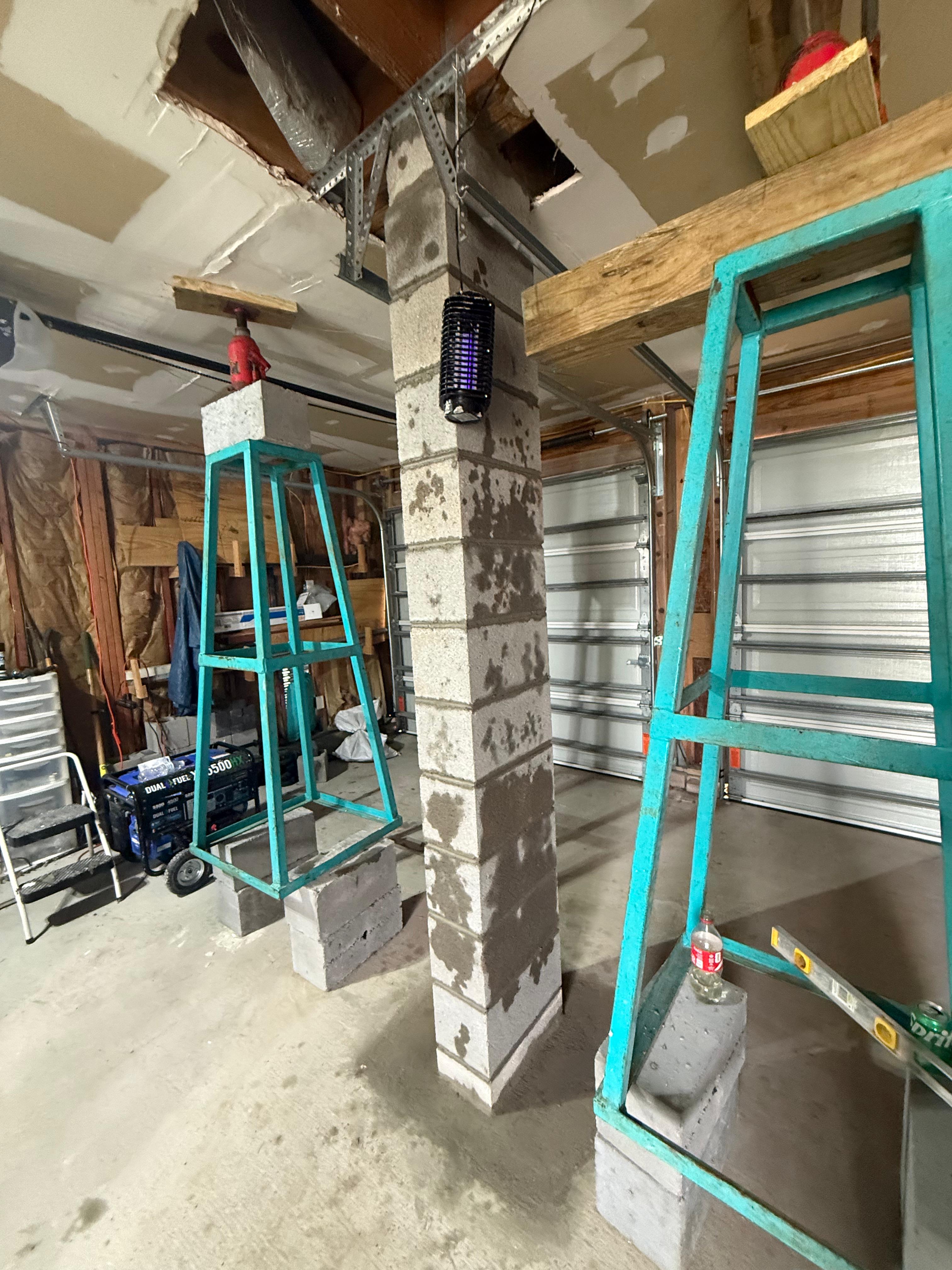
Key Building Code Requirements
Here are the critical building code requirements for elevated homes in hurricane-prone areas of the Texas Gulf Coast:
Elevation Above Base Flood Elevation (BFE)
One of the most fundamental requirements for homes in hurricane-prone areas is elevation above the Base Flood Elevation (BFE). The BFE is the calculated elevation to which floodwater is expected to rise during a base flood, which has a 1% chance of being equaled or exceeded in any given year.
- Elevation Requirement: Homes must be elevated above the BFE to reduce the risk of flood damage. In Galveston County, local ordinances often mandate an additional 1-2 foot “freeboard” above BFE for added safety.
- Purpose: Elevating homes above the BFE helps minimize the risk of floodwaters reaching living spaces, thereby reducing potential flood damage.
Foundation and Pilings Specifications
The foundation and pilings of elevated homes must be designed to withstand the forces exerted by hurricanes. Specific requirements include:
- Embedment Depth: Pile foundations must extend at least 10 feet below the ground surface or have sufficient embedment depth to resist storm forces typical for the Gulf Coast.
- Piling Size and Spacing: The size and spacing of pilings must be based on the home’s design wind speed, exposure category, and soil conditions to ensure stability.
- Bracing Requirements: Proper bracing must be used to provide additional support and resistance to lateral forces.
Wind Load Resistance
Homes in hurricane-prone areas must be designed to withstand high wind pressures. Key requirements include:
- Hurricane Clips, Straps, and Connectors: These must be used to transfer uplift loads from the roof to the foundation, ensuring the structure remains intact during high winds.
- Structural Sheathing: Reinforced structural sheathing helps resist wind pressure and prevent structural failure.
- Impact-Resistant Windows: These windows are designed to withstand impacts from wind-borne debris, reducing the risk of breakage and subsequent internal pressure buildup.
- Reinforced Garage Doors: Garage doors must be reinforced to prevent them from being blown in by high winds, which can compromise the structural integrity of the home.
Flood Openings (Vents)
To equalize hydrostatic pressure during a flood, enclosed areas below the BFE must have flood openings or vents:
- Vent Size Requirement: There must be 1 square inch of opening area per square foot of enclosed space.
- Purpose: Flood openings help to allow water to flow freely in and out of enclosed areas, preventing structural damage from hydrostatic pressure buildup.
Breakaway Walls
Enclosures below the BFE must have breakaway walls designed to fail under storm surge forces without damaging the primary structure:
- Design Requirement: Breakaway walls are non-structural walls that are intended to give way under the force of water, reducing the risk of structural damage.
- Purpose: This design minimizes damage to the main structure by allowing these walls to break away cleanly during a storm surge.
Corrosion Resistance
Given the corrosive coastal environment, it’s essential that metal connectors, fasteners, and structural components are corrosion-resistant:
- Material Requirement: Use materials such as stainless steel, galvanized steel, or other corrosion-resistant materials to prevent degradation.
- Purpose: Corrosion-resistant materials ensure the longevity and integrity of the structural components exposed to saltwater and high humidity.
Moisture and Termite Protection
Moisture and termites can cause significant damage to wooden structural components. To mitigate these risks:
- Material Requirement: Use pressure-treated or naturally decay-resistant wood for pilings, beams, and other structural members below the BFE.
- Ventilation and Moisture Control: Ensure proper ventilation in subfloor areas to reduce moisture accumulation and prevent mold and rot.
- Termite Protection: Implement termite barriers and regular inspections to protect against termite infestation.
Why Code Compliance Matters in 2026
With the 2026 hurricane season underway and ongoing concerns about severe weather along the Texas Gulf Coast, following current building codes is more critical than ever:
- Safety and Stability: Proper construction practices ensure that homes can withstand the extreme forces of hurricanes, protecting the lives and safety of the occupants.
- Longevity and Durability: Using the right materials and construction techniques enhances the durability and longevity of the home.
- Insurance Compliance: Compliance with building codes is often required to obtain and maintain flood and windstorm insurance coverage.
- Property Value: Homes built to code are more attractive to buyers and can command higher property values due to their resilience and safety features.
Staying Prepared for the 2026 Hurricane Season in Galveston County
As of June 2026, Galveston County has not experienced major storms or flooding so far this year, but the region remains vigilant as hurricane season begins. Local officials and emergency management teams are encouraging homeowners to review their hurricane preparedness plans and ensure their elevated homes meet current code requirements. With the unpredictability of Gulf Coast weather, staying proactive with inspections and repairs is key to protecting your property and family.
Conclusion
Understanding and adhering to the latest building code requirements for elevated homes in hurricane-prone areas of the Texas Gulf Coast is essential for ensuring the safety, stability, and resilience of these structures. From proper elevation and foundation specifications to wind load resistance and moisture protection, each requirement plays a vital role in mitigating the risks associated with hurricanes.
To ensure your Galveston County home meets these stringent requirements and is well-prepared for the 2026 hurricane season, consult with the experts at TerraFirm Leveling. Our team is dedicated to helping you achieve compliance and enhance your home’s resilience. Contact TerraFirm Leveling today at +14092497664 or [email protected] to safeguard your elevated home and ensure it stands strong against the forces of nature.