Identifying Wind, Flood, and Moisture Damage to Your Home’s Pilings and Support System
For homeowners with elevated homes in hurricane-prone areas like Galveston County and the Texas Gulf Coast, regular inspection and maintenance of your piling support system is crucial—especially as the 2026 hurricane season is underway. Local officials and emergency management teams are urging residents to stay vigilant this year, as the Gulf Coast continues to face risks from high winds, flooding, and persistent moisture throughout late spring and into summer. These hazards can seriously affect the structural integrity of your home’s foundation, making early detection and preparedness essential for all residents.
This guide will help you recognize the signs of wind, flood, and moisture damage to your home’s pilings and support system so you can act quickly to protect your property and maintain your peace of mind during this active storm season.
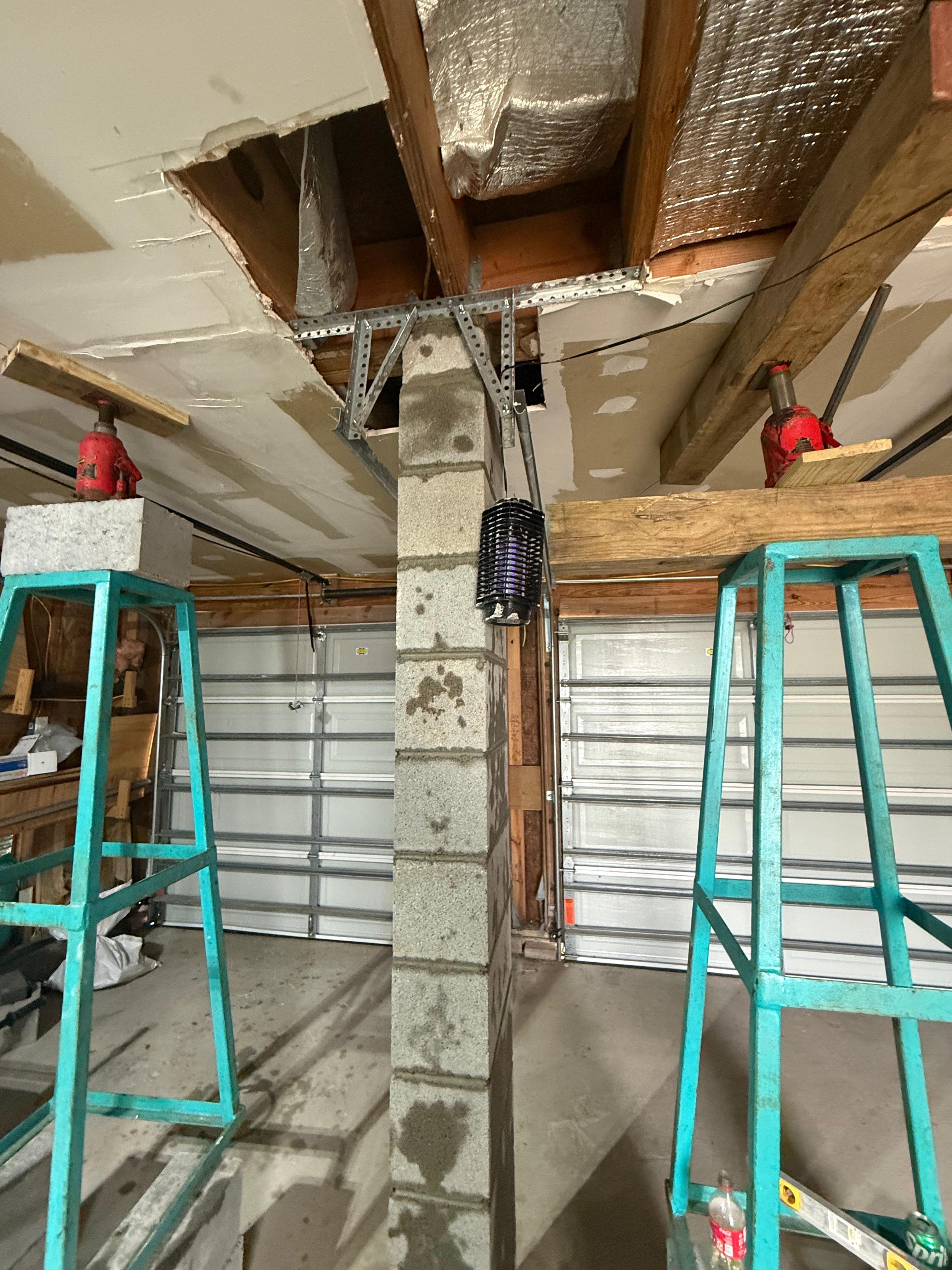
Signs of Wind Damage to Pilings and Support Structures
Hurricane-force winds can exert tremendous pressure on elevated homes, leading to a variety of structural issues. Here are the key warning signs:
Cracks, Splits, or Splintering in Wooden Pilings and Braces
Wooden pilings and braces may develop cracks, splits, or splintering after severe wind events. These damages compromise the strength of your support system and can leave your home vulnerable to further issues during storms.
Loose, Missing, or Damaged Connectors (Nails, Screws, Bolts, etc.)
Check all connectors that secure your pilings and braces. High winds can loosen, dislodge, or damage nails, screws, and bolts, weakening the overall support structure. Any signs of loose or missing hardware should be addressed promptly.
Leaning, Tilting, or Swaying of the Structure
If your home appears to lean, tilt, or sway, this is a serious indicator of wind-related structural compromise. Immediate professional assessment is recommended.
Signs of Flood and Wave Damage to Pilings and Support Structures
Flooding and wave action, especially during hurricane season, can cause severe erosion and impact damage to pilings:
Erosion or Scouring of Soil Around Piling Bases
Inspect the base of your pilings for signs of soil erosion or scouring. Floodwaters can wash away supporting soil, leaving pilings unstable and prone to settlement or collapse.
Uneven Settlement or Sinking of the Structure
Flood and wave action can cause uneven settlement or sinking. If your home appears uneven or is settling more on one side, the support system may have been compromised.
Cracks, Dents, or Breakage in Pilings and Braces Due to Debris Impact
Debris carried by floodwaters can strike pilings and braces, causing cracks, dents, or even breakage. Inspect for any physical damage after storms or flooding events.
Rust, Corrosion, or Deterioration of Metal Components
Saltwater flooding, common on the Gulf Coast, can cause rapid rust and corrosion on metal connectors and braces. Look for rust or deterioration, which can quickly weaken your structure.
Signs of Moisture Damage to Pilings and Support Structures
Moisture damage is a persistent threat in the humid Gulf Coast climate. Regularly inspect for these signs:
Visible Mold, Mildew, or Fungal Growth on Pilings and Supports
Mold, mildew, or fungal growth signals prolonged moisture exposure. These can accelerate wood decay and compromise structural integrity.
Soft, Spongy, or Discolored Wood Indicating Rot or Decay
Check for areas of wood that feel soft, spongy, or appear discolored—these are classic signs of rot or decay from moisture.
Damp, Musty Odors in the Subfloor Area
A persistent musty odor under your home often points to hidden moisture problems, mold, or rot.
Peeling Paint or Blistering of Wooden Surfaces
Peeling paint or blistering on wood surfaces is a visual cue that moisture has penetrated the wood, increasing the risk of rot.
Importance of Regular Inspections and Professional Assessments
With the 2026 hurricane season active and area officials emphasizing preparedness, regular visual inspections are essential for early detection of damage. Look for the signs above and act quickly if you notice any issues. However, some problems may be hidden or difficult to diagnose without professional expertise.
Professional Inspections
Hiring a professional ensures all potential issues are identified and addressed. At TerraFirm Leveling, our team has the experience and tools to spot hidden damage and recommend the right repairs for your home.
Conclusion
Recognizing the signs of wind, flood, and moisture damage to your home’s pilings and support system is vital for maintaining the safety and value of elevated homes along the Texas Gulf Coast. As hurricane season continues into 2026, proactive inspections and timely repairs can prevent further deterioration and help keep your family safe.
Need a professional inspection? Reach out to TerraFirm Leveling for comprehensive evaluations and expert repairs. Our experienced team is ready to help you maintain and protect your elevated home from hurricane damage. Don’t wait for visible damage—schedule an inspection with TerraFirm Leveling today to ensure your home is safe and secure.
This knowledge empowers you to take preventative measures and make informed decisions about maintenance and repairs. Below, we explore the common types of hurricane damage to piling support structures and how to protect your home effectively.
Common Types of Hurricane Damage to Piling Support Structures
Hurricanes bring a combination of powerful winds, heavy rains, and storm surges, all of which can severely impact the structural integrity of elevated homes in Galveston County and the wider Gulf Coast region.
Wind Damage: The Impact of Hurricane-Force Winds
Hurricane-force winds can cause significant damage to the wooden pilings that support elevated homes:
- Cracking and Splintering: The intense force can cause wooden pilings to crack or splinter, compromising their strength.
- Loosening of Connections: Strong winds can loosen the connectors (such as nails, screws, and bolts) that hold the pilings together, reducing the overall stability.
- Structural Failure: In extreme cases, the combined effect of wind pressure and weakened connections can lead to the complete failure of the piling support system.
Addressing wind damage requires reinforcing connections and using wind-resistant materials and construction techniques. Regular inspections help identify early signs of wind damage, allowing for timely repairs.
Flood and Wave Damage: The Erosion and Uplift Threats
Storm surges and waves can wreak havoc on piling support structures:
- Soil Erosion: The force of storm surges can erode the soil around pilings, leading to settlement or collapse.
- Flotation and Uplift: Floodwaters reaching the main floor system can cause flotation and uplift, where the structure is lifted off its pilings.
- Impact from Waves and Debris: Waves and floating debris can batter and damage pilings and bracing, causing cracks, dents, or breakage.
To mitigate flood and wave damage, ensure proper foundation depth and reinforcement. Implement erosion control measures and install protective barriers where possible.
Corrosion: The Silent Degradation from Saltwater Exposure
Saltwater flooding can rapidly corrode unprotected metal connection hardware or steel supports:
- Rusting of Metal Components: Saltwater accelerates the rusting process, making connectors brittle and less effective.
- Weakening of Steel Supports: Steel pilings and supports exposed to saltwater can corrode, compromising their load-bearing capacity.
Use corrosion-resistant materials and protective coatings on metal components to reduce corrosion risk. Regular maintenance and inspections are crucial to address corrosion before it causes severe issues.
Moisture Damage: The Slow Undermining of Structural Integrity
Moisture damage is a critical concern for elevated homes in the Gulf Coast climate:
- Wood Rot: Prolonged exposure to moisture can cause wood to rot, weakening the pilings.
- Mold Growth: Moist environments promote mold growth, which can further deteriorate the wood and create unhealthy indoor air quality.
Prevent moisture damage by ensuring proper drainage around your home and maintaining good ventilation in subfloor areas. Use pressure-treated or naturally decay-resistant wood for pilings and supports.
The Consequences of Hurricane Damage on Elevated Homes
Damage to piling support structures can have severe consequences for the safety and stability of elevated homes. Structural failure can lead to costly repairs, reduced property value, and potential harm to occupants. Understanding these risks is key to protecting your home.
Preventative Measures and Post-Hurricane Repairs
Protecting your home from hurricane damage involves design considerations, regular maintenance, and timely repairs:
Design Considerations
- Wind-Resistant Construction: Utilize wind-resistant materials and construction techniques.
- Proper Foundation Depth: Ensure pilings are driven deep enough to resist erosion.
- Corrosion-Resistant Materials: Use corrosion-resistant metals and protective coatings.
- Moisture Control: Implement effective drainage systems and use decay-resistant wood.
Regular Maintenance
- Inspections: Conduct regular inspections of the piling support structures.
- Cleaning and Repairs: Clean metal components and repair minor damages promptly.
- Erosion Control: Monitor and maintain erosion control measures around pilings.
Post-Hurricane Repairs
- Professional Assessments: After a hurricane, hire professionals to assess damage.
- Timely Repairs: Address identified issues quickly to prevent further deterioration.
- Upgrades and Reinforcements: Consider upgrades to enhance resilience against future hurricanes.
Conclusion
Understanding the common types of hurricane damage to piling support structures is essential for homeowners in Galveston County and along the Texas Gulf Coast. By recognizing risks and implementing preventative measures, you can enhance the safety and stability of your home.
For expert assistance, contact TerraFirm Leveling. Our team is ready to help you protect your home from hurricane damage and ensure its long-term resilience. Reach out to TerraFirm Leveling today at +14092497664 or visit our website to schedule your inspection and safeguard your elevated home against the severe weather conditions typical of our region.