Case Studies of Hurricane Damage to Elevated Homes on the Texas Gulf Coast and Lessons Learned
Case Studies of Hurricane Damage to Elevated Homes on the Texas Gulf Coast and Lessons Learned
As the 2026 hurricane season arrives, Galveston County and the Texas Gulf Coast continue to face significant risks from hurricanes and tropical storms. Elevated homes remain a common sight along the coast, but each season brings new challenges and lessons. Reviewing past hurricane impacts is essential for homeowners and builders seeking to strengthen their properties against severe weather. Below, we present several notable case studies of hurricane damage to elevated homes and highlight key lessons learned for the Gulf Coast community.
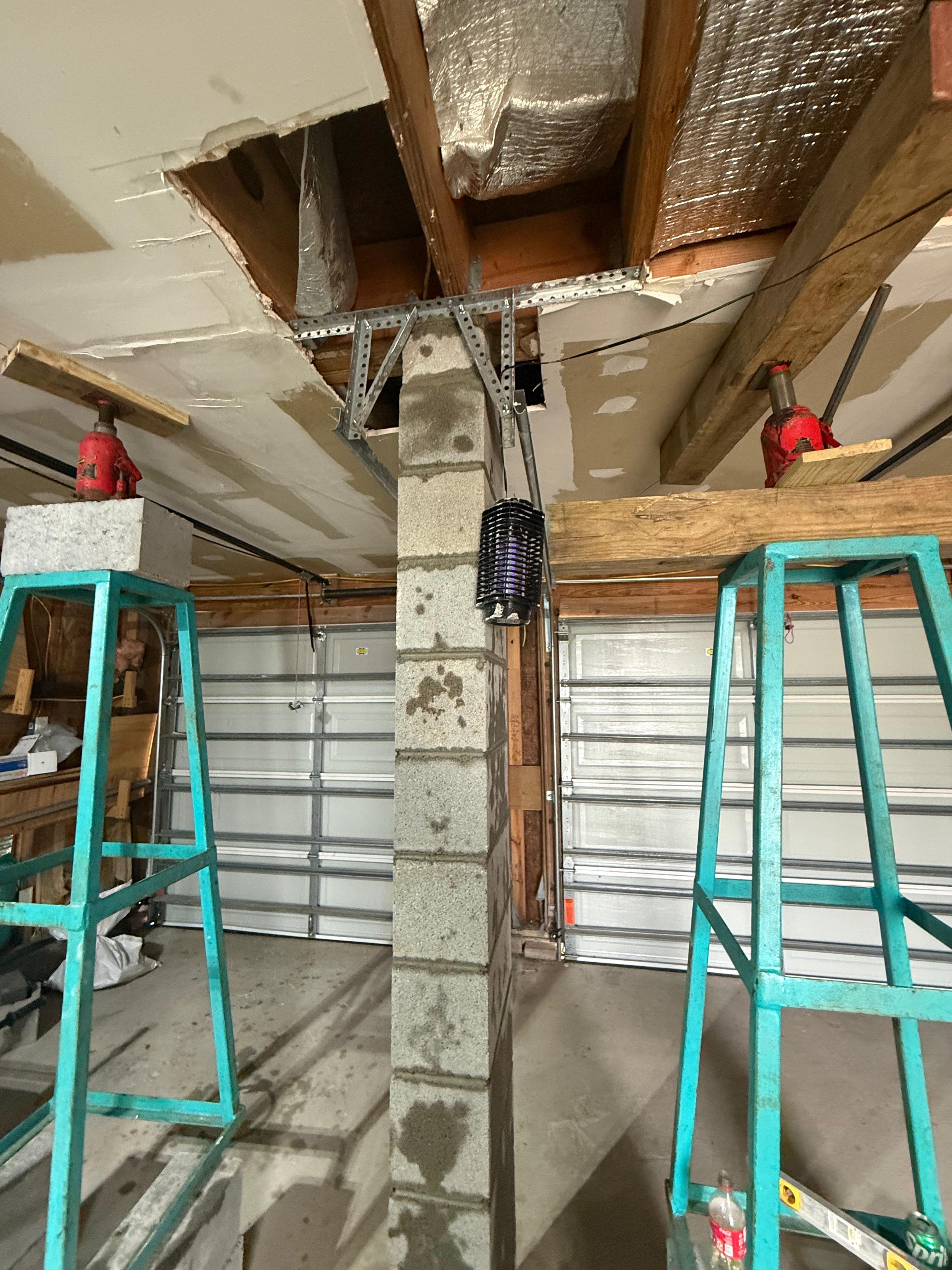
Notable Case Studies of Hurricane Damage
Hurricane Ike (2008) – Crystal Beach, TX
Impact:
- Many older elevated homes built before modern building codes were destroyed.
- Inadequate piling embedment and weak connections led to widespread structural failures.
Lessons Learned:
- Importance of Modern Building Codes: Homes with deeper pilings and stronger structural connections generally fared better.
- Foundation Design: Proper foundation design and construction are crucial for resilience against hurricane forces.
Hurricane Harvey (2017) – Rockport, TX
Impact:
- Numerous elevated homes experienced significant damage from storm surge and wave action.
- Some pilings snapped or washed away due to the force of the water.
Lessons Learned:
- Robust Piling Foundations: Strong, well-embedded pilings are essential.
- Lateral Bracing and Scour Protection: Proper bracing and erosion control measures are necessary to resist hydrodynamic forces.
Hurricane Laura (2020) – Sabine Pass, TX
Impact:
- Several newer elevated homes performed well structurally but suffered extensive interior damage.
- Wind-driven rain intrusion through roof vents, soffits, and windows caused significant water damage.
Lessons Learned:
- Comprehensive Hurricane Resistance: A holistic approach is needed, including proper roof and envelope details.
- Waterproofing: Effective sealing of roof penetrations and use of impact-resistant windows are critical.
Hurricane Nicholas (2021) – Galveston, TX
Impact:
- Some elevated homes experienced foundation issues due to soil saturation and erosion from prolonged rainfall and minor storm surge.
Lessons Learned:
- Site Grading and Drainage: Proper grading and drainage are crucial to prevent soil saturation and erosion.
- Erosion Control: Measures to protect the foundation during extended wet periods are essential.
Hurricane Beryl (2024)
Impact:
- Elevated homes faced unprecedented challenges with stronger-than-expected storm surges and high wind speeds.
- Despite compliance with current codes, some homes still sustained considerable damage due to unforeseen conditions.
Lessons Learned:
- Enhanced Design Standards: Continual improvement and updating of building codes and construction practices to address increasing storm intensity.
- Adaptive Measures: Incorporating adaptive measures such as adjustable pilings and advanced flood mitigation systems can provide additional protection.
Key Lessons Learned for 2026 and Beyond
Stay Current with Building Codes and Local Guidelines
With the 2026 hurricane season underway, Galveston County officials continue to emphasize the importance of compliance with the latest building codes and local storm preparedness guidelines. Elevated homes built or retrofitted to these standards have consistently shown better performance during major storms.
Proper Piling and Foundation Design
Adequate piling embedment depth, size, and spacing remain critical for providing a stable and resilient foundation. Pilings should be engineered for the specific coastal soil conditions and anticipated storm forces common to the Texas Gulf Coast.
Strong Connections and Structural Integrity
Robust connections between pilings, floor beams, and the main structure are essential to resist uplift and lateral loads. The use of hurricane straps, clips, and other reinforcements greatly improves the structural integrity of elevated homes.
Comprehensive Flood and Erosion Protection
Features such as breakaway walls, flood vents, and scour protection help minimize damage from storm surge and waves. Proper site grading and drainage improvements are especially important in Galveston County, where heavy rainfall and tidal flooding can undermine foundations.
Building Envelope and Water Intrusion Prevention
Sealing roof penetrations, installing impact-resistant windows, and using water-resistant barriers are vital to prevent wind-driven rain intrusion. These details protect the interior of the home from water damage during hurricanes and tropical storms.
Regular Maintenance and Pre-Season Inspections
With unpredictable weather patterns and ongoing reminders from local officials about hurricane preparedness, ongoing maintenance and timely repairs are necessary to address any foundation or structural weaknesses before hurricane season. Regular inspections help identify potential issues early, ensuring homes remain in good condition year-round.
Conclusion
Recent years have reinforced the importance of modern building codes, robust foundation design, and comprehensive flood protection for elevated homes on the Texas Gulf Coast. As Galveston County residents prepare for the 2026 hurricane season, learning from these real-world case studies can help homeowners and builders take proactive steps to enhance resilience against future storms.
For expert advice on protecting your elevated home from hurricane damage, consult TerraFirm Leveling. Our professionals are ready to help you implement best practices and solutions tailored for the Gulf Coast climate. Contact TerraFirm Leveling today at +14092497664 or visit our website to safeguard your elevated home.