Understanding and Mitigating Hurricane Damage to the Piling Support Structures of Elevated Homes on the Texas Gulf Coast
The Texas Gulf Coast, including Galveston County, faces the annual threat of hurricanes and severe weather. As the 2026 hurricane season is underway, it’s crucial for homeowners with elevated homes to understand how storms can impact the piling support structures beneath their properties. With local authorities continuing to emphasize hurricane preparedness across Galveston County, now is the ideal time to review how to keep your foundation strong and resilient in the face of coastal weather challenges.
This knowledge is essential for taking proactive steps to protect your investment and ensure your family’s safety. Below, TerraFirm Leveling outlines the most common types of hurricane damage to piling supports and offers practical advice for prevention and repair, tailored to our unique coastal region.
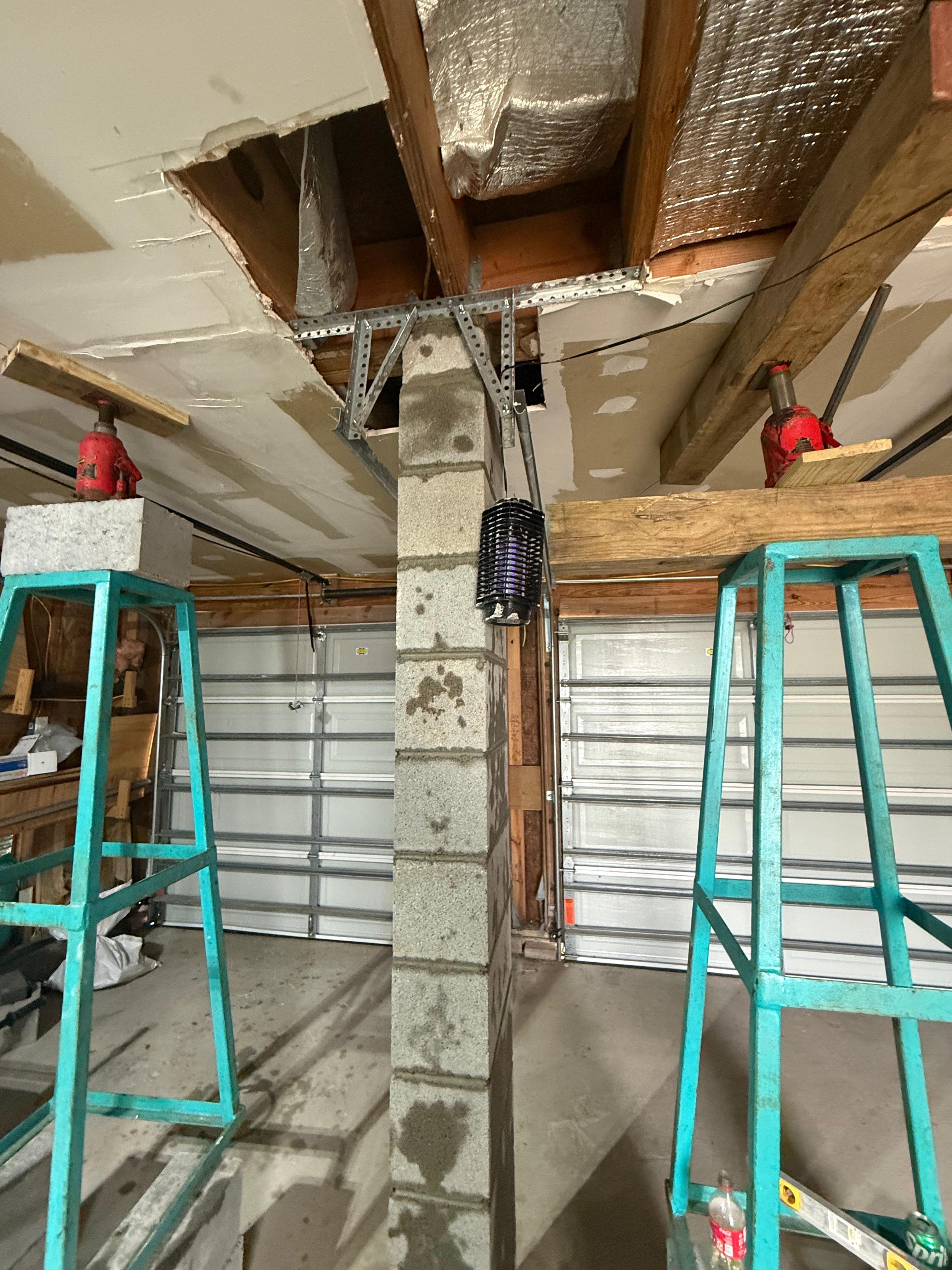
Common Types of Hurricane Damage to Piling Support Structures
Hurricanes bring a combination of powerful winds, heavy rains, and storm surges—each with the potential to compromise the structural integrity of elevated homes. Here are the most common issues seen along the Texas Gulf Coast:
Wind Damage: The Impact of Hurricane-Force Winds
Hurricane-force winds can place tremendous strain on the wooden or steel pilings supporting your home. Key risks include:
- Cracking and Splintering: High winds can cause wooden pilings to crack or splinter, reducing their strength.
- Loosening of Connections: Storm winds may loosen connectors (nails, screws, bolts), undermining the stability of the entire structure.
- Structural Failure: In severe cases, wind pressure combined with weakened connections can result in partial or total failure of the piling system.
Reinforcing connections and using wind-resistant materials during construction or repair is critical. Regular inspections before and after hurricane season can help catch early signs of wind damage.
Flood and Wave Damage: The Erosion and Uplift Threats
Coastal flooding and storm surges remain a major concern for Galveston County residents, especially as storms can be unpredictable along the Gulf Coast. Typical issues include:
- Soil Erosion: Storm surges can wash away soil around pilings, causing settlement or even collapse.
- Flotation and Uplift: Deep floodwaters can lift the main floor system, potentially dislodging the home from its pilings.
- Impact from Waves and Debris: Floating debris and strong waves can batter pilings and bracing, leading to cracks or breakage.
To mitigate these risks, ensure your foundation is set at the proper depth and reinforced for local soil conditions. Erosion control and protective barriers can also help reduce damage from storm surges.
Corrosion: The Silent Degradation from Saltwater Exposure
Saltwater intrusion, especially during hurricanes, can accelerate corrosion of metal connectors and supports:
- Rusting of Metal Components: Saltwater speeds up rust, making connectors brittle and less effective.
- Weakening of Steel Supports: Steel pilings exposed to saltwater can lose their load-bearing capacity over time.
Using corrosion-resistant materials and protective coatings is essential for Gulf Coast homes. Schedule regular maintenance to spot and address corrosion early.
Moisture Damage: The Slow Undermining of Structural Integrity
Persistent humidity and rainfall can lead to moisture-related issues, especially for wooden pilings:
- Wood Rot: Extended exposure to moisture can cause rot, undermining the strength of the pilings.
- Mold Growth: Damp environments promote mold, which can further deteriorate wood and affect indoor air quality.
Proper drainage and ventilation, along with pressure-treated or naturally decay-resistant wood, are key to preventing moisture damage.
The Consequences of Hurricane Damage on Elevated Homes
Damage to piling supports can lead to costly repairs, reduced property value, and serious safety risks. With the 2026 hurricane season underway, Galveston County homeowners should remain vigilant and prepared. Local officials continue to remind residents to assess their homes ahead of peak storm months and to stay informed about best practices for hurricane readiness.
Preventative Measures and Post-Hurricane Repairs
Protecting your home starts with smart design, regular upkeep, and prompt repairs:
Design Considerations
- Wind-Resistant Construction: Use materials and techniques designed for hurricane-force winds.
- Proper Foundation Depth: Ensure pilings are driven deep enough for local soil and flood conditions.
- Corrosion-Resistant Materials: Choose metals and coatings that withstand saltwater exposure.
- Moisture Control: Install effective drainage and use decay-resistant wood.
Regular Maintenance
- Inspections: Schedule regular checks of piling supports, especially before and after hurricane season.
- Cleaning and Repairs: Keep metal components clean and address minor issues before they escalate.
- Erosion Control: Maintain landscaping and barriers to prevent soil loss around pilings.
Post-Hurricane Repairs
- Professional Assessments: After a storm, have a qualified team evaluate your foundation for damage.
- Timely Repairs: Address issues quickly to prevent further deterioration.
- Upgrades and Reinforcements: Consider strengthening your piling supports for better future resilience.
Conclusion
With hurricane season active in 2026, understanding the risks to your elevated home’s piling support structures is more important than ever for Galveston County and Texas Gulf Coast residents. By staying proactive with inspections, maintenance, and professional repairs, you can help ensure your home weathers the storms ahead.
For expert help assessing and repairing hurricane damage, contact TerraFirm Leveling. Our team is ready to help you safeguard your home against the severe weather conditions common to our region. Reach out today for peace of mind this hurricane season.