Concrete heaving, a common issue in construction, can cause significant damage to structures and surfaces. This phenomenon occurs when external forces, such as soil pressure or extreme heat, push concrete slabs upward, creating uneven surfaces.
From driveways to basement walls, no concrete structure is immune to heaving, which can lead to cracks, instability, and even safety hazards. In this article, we’ll explore the causes of concrete heaving, its telltale signs, and effective solutions.
You’ll learn how factors like improper gravel base preparation and water infiltration contribute to this problem, and discover preventive measures to protect your property.
Key Takeaways
- Concrete heaving occurs when soil expands, causing concrete to lift and crack
- Freeze-thaw cycles and soil moisture content are major factors in concrete heaving
- Early signs include cracks, uneven surfaces, and sticking doors or windows
- Proper soil preparation, drainage, and concrete mix selection can prevent heaving
- Professional assessment and repair are crucial for addressing severe concrete heaving issues
The Basics of Concrete Heaving: What You Need to Know
Concrete heaving poses a significant threat to your property’s structural integrity, affecting everything from sidewalks to foundations. This phenomenon occurs when the soil beneath concrete expands, causing sections to lift and crack.
Poor drainage, improperly placed downspouts, and extreme temperature fluctuations can exacerbate the issue. Understanding the science behind concrete heaving is crucial for homeowners, as it can impact not only concrete surfaces but also brick structures.
By grasping the basics of this process, you’ll be better equipped to identify early signs and take preventive measures to protect your property.

Defining Concrete Heaving and Its Impact
Concrete heaving occurs when the soil beneath concrete slabs expands, causing sections to lift and crack. This phenomenon can affect various structures, from sidewalks and driveways to foundations, potentially leading to costly foundation repair.
Weather plays a significant role in concrete heaving, as extreme temperature fluctuations and moisture changes can cause soil to expand and contract.
The impact of concrete heaving extends beyond aesthetics, posing safety hazards and compromising structural integrity. Frost heave, a specific type of concrete heaving, occurs when water in the soil freezes and expands, pushing the concrete upward.
Additionally, tree roots can contribute to concrete heaving by growing beneath slabs and exerting upward pressure. Understanding these factors is crucial for homeowners to identify early signs and take preventive measures.
The Science Behind Why Concrete Heaves
The science behind concrete heaving involves a complex interplay of soil composition, moisture, and temperature. Clay soil, in particular, is prone to expansion when wet, exerting upward pressure on concrete slabs.
This pressure can cause concrete to lift, creating uneven surfaces and potential structural issues that may affect your home’s foundation, joists, and even steel components.
Climate plays a crucial role in concrete heaving, with freeze-thaw cycles accelerating the process. As water in the soil freezes, it expands, pushing concrete upwards.
Proper waterproofing techniques can help mitigate this issue by preventing excess moisture from penetrating the soil beneath your concrete structures, reducing the risk of heaving and subsequent damage.
Major Causes of Concrete Heaving Explained
Concrete heaving, a significant concern for property owners, stems from various factors that can compromise structural integrity and safety. Understanding these major causes is crucial for effective prevention and mitigation.
From the relentless freeze-thaw cycles that stress concrete to the intricate relationship between soil moisture content and ground movement, each factor plays a unique role in the heaving process.
Even seemingly minor issues like improper installation techniques can lead to severe consequences, potentially violating standards set by the Americans with Disabilities Act of 1990.
As you delve into these causes, you’ll gain insights into how groundwater, expansion joints, and even social media platforms like Facebook can influence concrete stability. By grasping these concepts, you’ll be better equipped to protect your property and navigate the terms of service for foundation repair services.
The Role of Freeze-Thaw Cycles
Freeze-thaw cycles play a crucial role in concrete heaving, particularly in regions with fluctuating temperatures. As water seeps into tiny cracks in concrete and pavers, it expands upon freezing, exerting pressure that can lift and crack surfaces.
This process is especially damaging to basements and foundations, where moisture accumulation is common. Repeated freeze-thaw cycles can accelerate concrete deterioration, leading to costly repairs and potential safety hazards.
To mitigate these issues, consult a reputable concrete contractor who can implement proper drainage solutions and use specialized concrete mixes designed to withstand freeze-thaw cycles.
Additionally, consider installing protective measures for exposed pipes to prevent freezing and subsequent damage to surrounding concrete structures.
Soil Moisture Content and Its Effects
Soil moisture content significantly influences concrete heaving, with fluctuations causing the ground to expand and contract. As precipitation increases soil moisture, the risk of frost heaving rises, especially in areas where the frost line penetrates deeply. This can lead to uneven floors and compromised structural integrity in buildings.
Excessive moisture in the soil can weaken the foundation beneath concrete slabs, causing them to shift and crack. To mitigate these effects, proper drainage systems and moisture barriers are essential.
Regularly monitoring soil moisture levels and implementing preventative measures can help protect your property from the damaging effects of concrete heaving.
Impact of Improper Installation Techniques
Improper installation techniques can significantly contribute to concrete heaving, especially when it comes to insulation and perimeter drainage.
Inadequate basement waterproofing or poorly installed patio foundations can lead to moisture accumulation, exacerbating the risk of heaving.
Failing to account for soil composition and proper grading during installation can result in uneven settlement and increased vulnerability to freeze-thaw cycles.
Neglecting to incorporate expansion joints or using subpar materials during construction can accelerate concrete deterioration. Inadequate compaction of the base material beneath concrete slabs can lead to voids, increasing the likelihood of heaving.
To address these issues, consult with a professional contractor via email to ensure proper installation techniques are employed, safeguarding your property against the long-term effects of concrete heaving.
Spotting Signs of Concrete Heaving Early
Recognizing the early signs of concrete heaving is crucial for preventing extensive damage to your property. As water infiltrates the soil beneath concrete structures, it can lead to soil compaction issues and ice formation, which exert upward pressure.
These forces can manifest in various ways, from subtle changes in surface texture to more obvious shifts in elevation. By understanding how to spot these red flags, you’ll be better equipped to address potential problems before they escalate.
Whether it’s uneven surfaces affecting your home’s plumbing or cracks indicating underlying soil instability, knowing when to seek professional assessment can save you time and money in the long run.

Cracks and Uneven Surfaces as Red Flags
Look for cracks and uneven surfaces in your concrete slab as early warning signs of heaving. These red flags often appear after cycles of rain, snow, and freezing temperatures, which can cause the soil beneath to expand and contract.
Pay close attention to areas around your foundation, as these are particularly vulnerable to moisture-related issues.
Uneven surfaces may manifest as slight bumps or dips in your concrete, potentially creating tripping hazards. If you notice doors or windows sticking, or gaps forming between walls and floors, these could indicate foundation movement due to concrete heaving.
Address these issues promptly to prevent more severe damage to your property’s structure.
Here’s a table summarizing common signs of concrete heaving:
| Sign | Description | Potential Cause |
|---|---|---|
| Cracks | Visible fractures in concrete | Soil expansion/contraction |
| Uneven surfaces | Bumps or dips in concrete | Soil movement |
| Sticking doors/windows | Difficulty opening/closing | Foundation shift |
| Gaps between walls/floors | Visible separation | Structural movement |
Changes in Elevation and Alignment
Watch for changes in elevation and alignment around your property, particularly near windows and driveways. These shifts can indicate concrete heaving, which may require professional intervention.
If you notice a slope in your decorative concrete or uneven surfaces, document these changes and consider sharing them on platforms like YouTube to get expert opinions.
Pay attention to any gaps forming between your home’s foundation and the surrounding soil, as this can be a sign of pier movement due to concrete heaving. Regular inspections of your driveway and other concrete surfaces can help you catch these issues early, potentially saving you from costly repairs down the line.
Here’s a table summarizing key indicators of concrete heaving:
| Indicator | Description | Affected Areas |
|---|---|---|
| Elevation Changes | Noticeable slopes or uneven surfaces | Driveways, walkways, patios |
| Alignment Issues | Gaps between foundation and soil | Around house perimeter, near piers |
| Surface Irregularities | Bumps, dips, or cracks in concrete | Decorative concrete, floors |
| Window/Door Problems | Difficulty opening or closing | Throughout the house |
When to Call a Professional for Assessment
Call a professional for assessment when you notice significant changes in your concrete surfaces or structural integrity. If you observe widening cracks, substantial unevenness, or signs of water pooling near your foundation, it’s time to seek expert help.
Pay attention to any unusual root growth near concrete structures, as this can exacerbate heaving issues.
Don’t delay contacting a professional if you experience difficulty opening doors or windows, or if you notice gaps forming between walls and floors. These symptoms could indicate serious foundation problems related to concrete heaving.
A timely assessment by a qualified expert can prevent minor issues from escalating into costly repairs.
Here’s a table summarizing when to seek professional help:
| Warning Sign | Potential Issue | Recommended Action |
|---|---|---|
| Widening cracks | Soil movement or foundation stress | Immediate professional assessment |
| Significant unevenness | Advanced concrete heaving | Schedule expert inspection |
| Water pooling near foundation | Drainage issues leading to heaving | Consult waterproofing specialist |
| Sticking doors/windows | Structural misalignment | Foundation evaluation needed |
Preventive Measures to Avoid Concrete Heaving
Preventing concrete heaving requires a proactive approach that addresses the root causes of this structural issue. By implementing proper soil preparation techniques, selecting appropriate concrete mixes, and ensuring adequate drainage, you can significantly reduce the risk of heaving and protect your property’s foundation.
These preventive measures not only safeguard your investment but also extend the lifespan of your concrete structures. Understanding and applying these strategies will help you maintain stable, durable concrete surfaces that withstand the test of time and environmental pressures.
Proper Soil Preparation and Grading Techniques
Proper soil preparation and grading techniques are crucial in preventing concrete heaving. Begin by removing any organic material and compacting the soil to create a stable base. Ensure the ground slopes away from your foundation to promote proper drainage and reduce water accumulation.
Use a laser level to achieve precise grading and create a uniform surface for your concrete installation. Consider installing a layer of gravel or crushed stone beneath the concrete to improve drainage and reduce the risk of frost heave. Here’s a table summarizing key steps in soil preparation and grading:
| Step | Purpose | Technique |
|---|---|---|
| Remove organic material | Prevent settling | Excavation |
| Compact soil | Create stable base | Mechanical compaction |
| Grade for drainage | Prevent water accumulation | Slope away from foundation |
| Install gravel layer | Improve drainage | Spread and compact |
Selecting the Right Concrete Mix and Reinforcements
Select the right concrete mix and reinforcements to prevent concrete heaving. Choose a mix with a low water-to-cement ratio and add air-entraining agents to increase freeze-thaw resistance. Consider using fiber-reinforced concrete for added strength and crack resistance in areas prone to soil movement.
Incorporate steel reinforcement bars or wire mesh into your concrete to distribute loads evenly and reduce the risk of cracking. For large slabs or areas with heavy traffic, consult a structural engineer to determine the optimal reinforcement layout and concrete thickness. These measures will significantly enhance your concrete’s durability and resistance to heaving forces.
Importance of Adequate Drainage Systems
Adequate drainage systems play a crucial role in preventing concrete heaving by directing water away from your property’s foundation. By installing proper gutters, downspouts, and French drains, you effectively manage excess water that could otherwise saturate the soil beneath your concrete structures.
This proactive approach significantly reduces the risk of soil expansion and contraction, which are primary causes of concrete heaving.
Implement a comprehensive drainage plan that addresses both surface and subsurface water management. Consider the following key components of an effective drainage system:
- Properly sloped landscaping to guide water away from structures
- Strategically placed catch basins to collect excess runoff
- Subsurface drainage pipes to channel water away from foundations
- Permeable paving materials to allow water infiltration in non-critical areas
- Regular maintenance of gutters and downspouts to ensure optimal performance
Repairing Concrete Heaving: Solutions and Methods
Addressing concrete heaving requires a comprehensive approach that combines immediate repairs with long-term prevention strategies. From simple slabjacking techniques to more complex foundation stabilization methods, the solutions vary based on the severity of the issue.
Understanding the differences between minor and major heaving problems is crucial for selecting the most appropriate repair method. Additionally, implementing ongoing maintenance practices can significantly reduce the likelihood of future heaving occurrences, ensuring the longevity and stability of your concrete structures.
By exploring these repair solutions and maintenance techniques, you’ll be better equipped to tackle concrete heaving issues effectively and protect your property from further damage.
Methods for Leveling Heaved Concrete
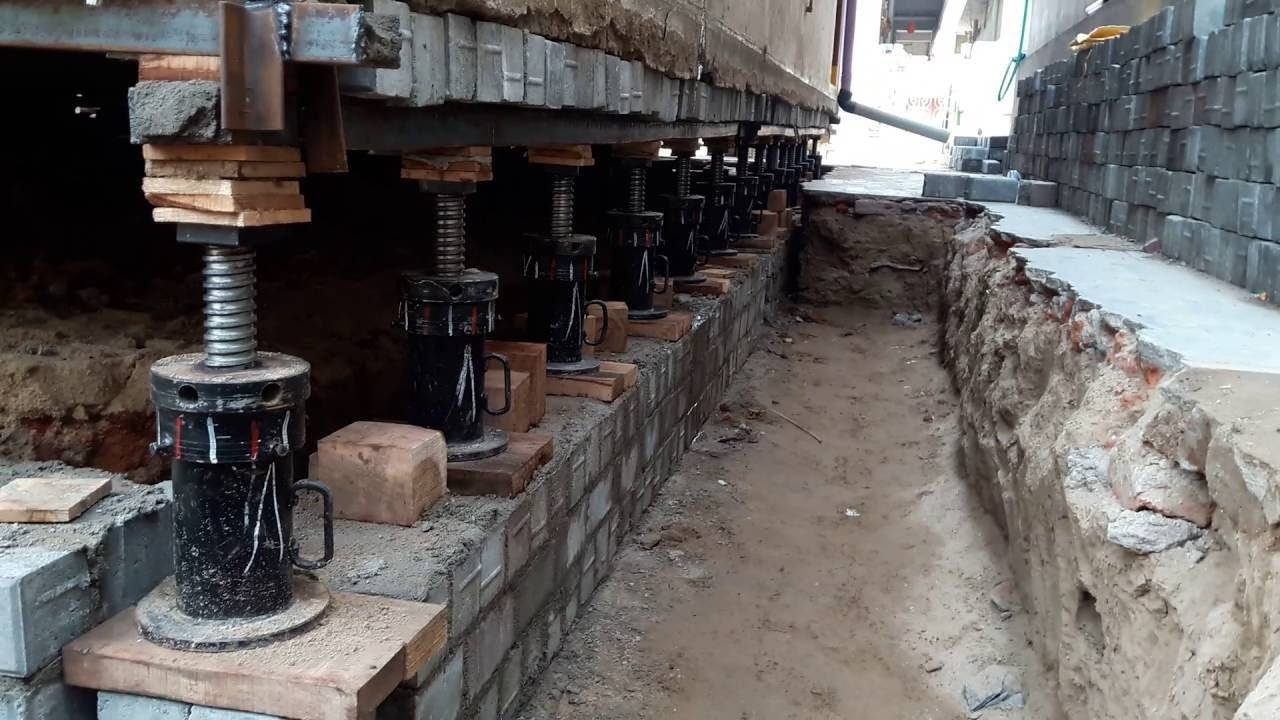
You can level heaved concrete using various methods, depending on the severity of the issue. Mudjacking, a traditional technique, involves pumping a slurry mixture beneath the slab to lift and level it. For smaller areas, you might consider grinding down high spots or using a concrete leveling compound to even out the surface.
Polyurethane foam injection offers a modern alternative to mudjacking, providing a lightweight, long-lasting solution for concrete leveling. In cases where the heaving is extensive, you may need to consider removing and replacing the affected concrete sections entirely. Consult with a professional to determine the most appropriate method for your specific situation.
Fixes for Minor vs. Major Heaving Issues
For minor concrete heaving issues, you can often address the problem with simple solutions like grinding down high spots or applying a self-leveling compound. These methods work well for small areas with minimal elevation changes, typically less than an inch. In some cases, you might consider using polyurethane foam injection to lift and level slightly heaved concrete slabs.
Major heaving issues require more extensive interventions. You might need to completely remove and replace severely damaged sections of concrete, especially if the heaving has caused significant cracking or structural instability.
In cases where soil issues are the root cause, you may need to address underlying drainage problems or implement soil stabilization techniques before replacing the concrete. Consult with a professional foundation repair specialist to determine the best course of action for major heaving problems.
Long-Term Maintenance to Prevent Recurrence
Implement a regular maintenance routine to prevent concrete heaving recurrence. Inspect your concrete surfaces annually for signs of cracking, settling, or water pooling, and address any issues promptly. Apply a quality concrete sealer every few years to protect against moisture infiltration and freeze-thaw damage.
Maintain proper drainage around your property to prevent water from accumulating near concrete structures. Clean gutters and downspouts regularly, and ensure that the ground slopes away from your foundation. Consider installing or upgrading your drainage system if you notice persistent moisture issues that could lead to concrete heaving.
Professional Services for Handling Concrete Heaving
When concrete heaving threatens your property’s stability, turning to professional services is often the wisest decision. Selecting the right contractor for repairs, understanding the repair process, and considering cost factors are crucial steps in addressing concrete heaving effectively.
As you navigate these aspects, you’ll gain insights into the expertise required for complex foundation issues and the importance of thorough assessments.
By familiarizing yourself with what to expect during repairs and how to obtain accurate estimates, you’ll be better equipped to make informed decisions that protect your property and investment.

How to Choose the Right Contractor for Repairs
Choose the right contractor for concrete heaving repairs by researching their credentials and experience. Look for licensed and insured professionals with a proven track record in foundation repair and concrete leveling. Ask for references and check online reviews to gauge their reputation and quality of work.
Request detailed estimates from multiple contractors and compare their proposed solutions. A reputable contractor will provide a thorough assessment of your concrete heaving issue and explain their recommended repair methods. Consider the following factors when selecting a contractor:
- Years of experience in concrete repair and foundation work
- Specialized equipment and techniques for addressing concrete heaving
- Warranty offerings for their repair services
- Certifications from industry organizations
- Clear communication and willingness to answer your questions
What to Expect During the Repair Process
During the repair process for concrete heaving, expect a thorough assessment of your property’s foundation and affected areas. The contractor will likely use specialized equipment to measure the extent of heaving and identify underlying causes.
This initial evaluation may involve soil testing and moisture level checks to determine the most appropriate repair method.
Once the assessment is complete, the repair team will begin the chosen intervention, which may include mudjacking, polyurethane foam injection, or slab replacement.
The process can take several hours to several days, depending on the severity of the heaving and the chosen repair method. Throughout the repair, you can expect:
- Clear communication about the progress and any unexpected issues
- Minimal disruption to your daily activities, as most repairs are non-invasive
- Proper cleanup and site restoration after the work is completed
- A final inspection to ensure the repair has effectively addressed the heaving issue
- Guidance on maintaining your newly repaired concrete to prevent future problems
Cost Considerations and Getting an Accurate Estimate
Get an accurate estimate for concrete heaving repairs by requesting detailed quotes from multiple contractors. Ensure each estimate includes a breakdown of materials, labor costs, and any additional expenses such as permits or equipment rentals.
Ask about potential hidden costs or contingencies that might arise during the repair process to avoid surprises.
Consider the long-term value of the repair when comparing costs. While cheaper options might seem attractive initially, they may not provide lasting solutions.
Factor in warranty coverage and the contractor’s reputation when evaluating estimates. Remember that addressing concrete heaving promptly can prevent more extensive and costly damage to your property’s foundation in the future.
Conclusion
Understanding concrete heaving empowers homeowners to protect their property’s structural integrity and value. By recognizing early signs and implementing preventive measures, you can avoid costly repairs and ensure the longevity of your concrete structures.
Professional assessment and timely intervention play crucial roles in addressing concrete heaving effectively, whether through leveling techniques or comprehensive foundation repairs.
Investing in proper maintenance and drainage systems will safeguard your property against the destructive forces of soil expansion and freeze-thaw cycles, preserving your home’s stability for years to come.