Jacking up a house is a critical procedure for homeowners dealing with foundation issues, structural instability, or seeking to add additional living space. This comprehensive guide aims to provide a detailed overview of the costs associated with jacking up a house in 2024, the factors influencing these costs, and the benefits of undertaking such a project.
Key Takeaways
- The cost of jacking up a house typically ranges from $10,000 to $50,000, depending on various factors.
- Key factors affecting the cost include house size, foundation type, soil conditions, and regional labor rates.
- Average costs vary across different regions, with coastal areas often incurring higher expenses.
- Benefits of jacking up a house include improved structural stability, flood protection, and increased property value.
- Choosing the right contractor is crucial for a successful house jacking project.
Factors Influencing the Cost of Jacking Up a House
House Size and Structure
The size and structure of your house are primary factors influencing the cost. Larger homes require more labor and materials, which can significantly increase expenses. Multi-story houses or those with complex designs may also incur higher costs due to additional challenges in lifting and stabilizing the structure.
Foundation Type
The type of foundation plays a crucial role in the overall cost. Houses with slab foundations may be more challenging and costly to jack up compared to those with pier and beam foundations. Each foundation type requires different techniques and equipment, affecting the overall cost. For instance, pier and beam adjustments might be necessary to stabilize the lifted structure.
Soil Conditions and Site Accessibility
Soil stability and site accessibility are critical factors that influence the cost. Unstable soil may require additional reinforcement, while difficult-to-access sites can increase labor costs. Proper assessment and planning are essential to avoid unexpected expenses. The need for specialized equipment or additional labor to navigate challenging terrain can further drive up costs.
Local Labor Rates
Labor rates vary by region and can significantly impact the overall cost. Areas with higher living costs typically have higher labor rates, which should be considered when budgeting for house jacking. Additionally, the availability of skilled labor in your area can affect both cost and the quality of work.
Permits and Inspections
Obtaining the necessary permits and passing inspections is another cost factor. Local building codes and regulations may require specific permits and inspections, which can add to the overall expense. Ensuring compliance with all legal requirements helps avoid delays and fines.
Average Costs Across Different Regions
Coastal Areas
In coastal areas, house jacking costs are generally higher due to the increased risk of flooding and the demand for these services. The need for specialized techniques to combat soil erosion and stabilize structures in sandy soils can further drive up costs.
Inland Regions
Inland regions may have lower costs compared to coastal areas, but factors such as soil stability and local labor rates still play a significant role. The availability of skilled labor and the complexity of the project can also influence costs.
Urban vs. Rural Areas
Urban areas often have higher labor costs and stricter building regulations, leading to higher overall expenses. Conversely, rural areas might offer lower labor rates but could face challenges with accessibility and availability of skilled professionals.
Detailed Cost Breakdown
Initial Assessment and Planning
Before the project begins, an initial assessment and planning phase is necessary. This includes soil testing, structural analysis, and creating a detailed project plan. The cost for this phase can range from $1,000 to $5,000. Proper planning ensures the project proceeds smoothly and safely.
Preparation Work
Preparing the house for jacking up involves disconnecting utilities, reinforcing the structure, and obtaining necessary permits. This preparation phase typically costs between $2,000 and $10,000. Proper preparation helps prevent damage during the lifting process.
Jacking Up the House
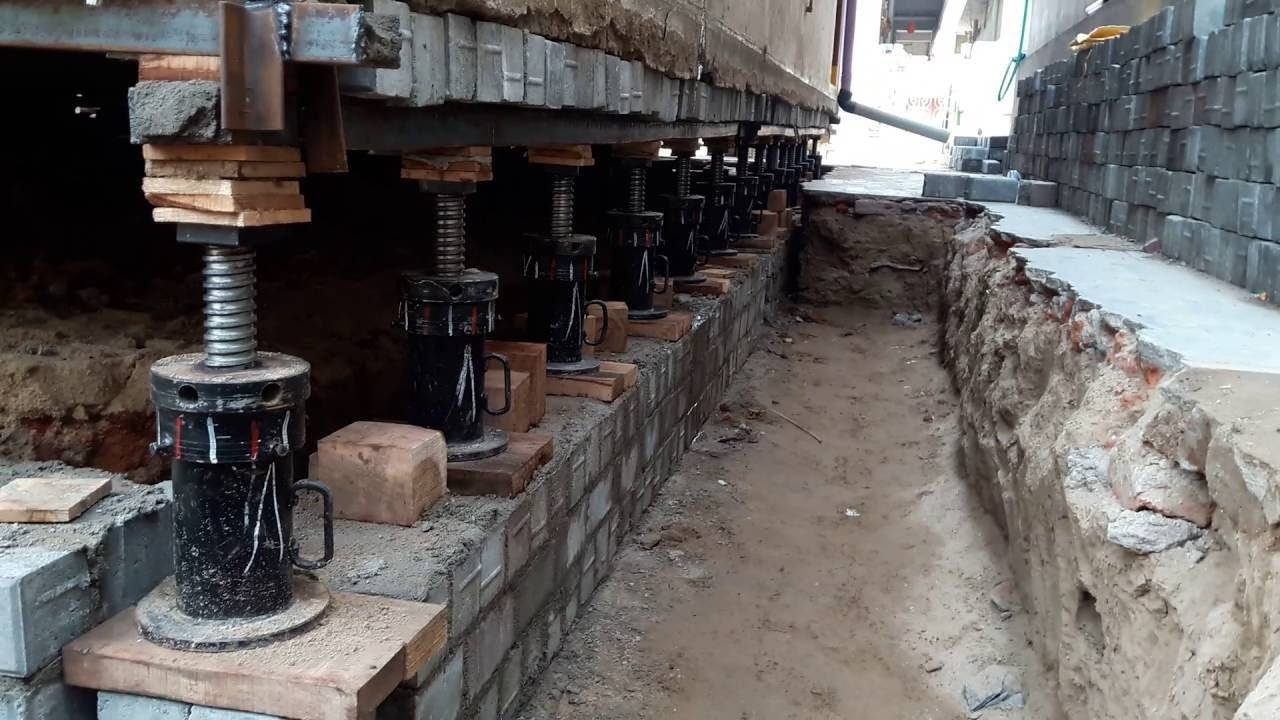
The primary cost involves jacking up the house using hydraulic jacks or other specialized equipment. This step requires precision and expertise to ensure the house is raised evenly and safely. The cost for jacking up the house can range from $10,000 to $50,000. The use of advanced equipment and skilled labor ensures the safety and stability of the structure during the lift.
Foundation Repair or Replacement
Once the house is jacked up, the damaged foundation can be repaired or replaced. This may involve reinforcing existing walls, pouring new concrete, or installing new support beams. The cost for foundation repair or replacement typically ranges from $10,000 to $30,000. Proper foundation work ensures the long-term stability of the house.
Additional Expenses
Additional expenses can include temporary housing, utility disconnections and reconnections, landscaping restoration, and potential structural repairs needed after the move. These costs should be factored into the overall budget, typically ranging from $5,000 to $15,000.
Benefits of Jacking Up a House
Improved Structural Stability
Jacking up a house significantly improves its structural stability by addressing foundational issues. This process can prevent further damage and extend the life of the house, ensuring a safe and secure living environment.
Flood Protection
Elevating the house provides essential flood protection, especially in areas prone to flooding. Raising the structure above potential flood levels can prevent costly water damage and provide peace of mind for homeowners.
Increased Property Value
Elevating your house can significantly increase its property value. Homes with stable foundations and protection from flooding are more attractive to potential buyers. This investment can pay off when selling the property.
Additional Living Space
Jacking up the house can create additional living space, such as a basement or crawl space. This added space can be used for storage, living areas, or even rental units, increasing the home’s functionality and value.
Reduced Insurance Premiums
Elevating your house can lead to significant discounts on flood insurance premiums. This long-term financial benefit can help offset the initial cost of the elevation project. Discussing potential insurance savings with your provider can provide additional financial relief.
Potential Challenges and Solutions
Structural Damage Risk
One of the challenges of jacking up a house is the risk of structural damage. To mitigate this risk, it is crucial to hire experienced professionals who use advanced techniques and equipment to ensure the house is lifted evenly and safely.
Soil Instability
Soil instability can pose a significant challenge during the house jacking process. Conducting thorough soil tests and using proper reinforcement techniques can address this issue. Installing helical piers or other stabilizing structures can provide the necessary support.
Utility Disconnections
Disconnecting and reconnecting utilities such as water, gas, and electricity can be a logistical challenge. Proper planning and coordination with utility providers can help minimize disruptions. Scheduling these disconnections and reconnections in advance ensures a smooth process.
Permitting Delays
Obtaining the necessary permits can sometimes cause delays. Ensuring all documentation is in order and submitted promptly can help expedite the permitting process. Working closely with local authorities and understanding the requirements can prevent unnecessary delays.

Choosing the Right Contractor for the Job
Experience and Expertise
Selecting a contractor with extensive experience and expertise in house jacking is crucial. Look for professionals who have successfully completed similar projects and have a proven track record. Experienced contractors are more likely to anticipate and address potential challenges.
Licensing and Insurance
Ensure the contractor is licensed and insured. This provides protection and peace of mind in case of any accidents or damages during the project. Verifying the contractor’s credentials helps ensure compliance with local regulations.
References and Reviews
Check references and reviews from previous clients. Positive feedback and satisfied customers are indicators of a reliable and competent contractor. Reviewing past projects can provide insight into the contractor’s quality of work and professionalism.
Detailed Estimates
Obtain detailed estimates from multiple contractors. This helps you compare costs and services, ensuring you get the best value for your investment. A thorough estimate should include all potential expenses and a clear timeline for the project.

How Terrafirm Leveling Can Help
Terrafirm Leveling specializes in house jacking and foundation repair services tailored to the unique challenges of the Gulf Coast. With over two decades of experience, we provide targeted, efficient solutions that restore peace of mind and protect your investment. Our expert team uses cutting-edge techniques and unparalleled craftsmanship to ensure your home remains safe and stable for generations to come. Contact us today to learn how we can help with your house jacking needs.
Conclusion
Jacking up a house is a complex but necessary process for many homeowners, particularly those in flood-prone areas or with structural issues. By understanding the factors influencing costs, potential financial benefits, and how to budget effectively, you can make informed decisions to protect your home. With the expertise of Terrafirm Leveling, you can ensure your house jacking project is done right, providing long-lasting stability and peace of mind.
FAQs
1. What is house jacking?
House jacking involves lifting a house from its foundation to repair or replace the foundation, or to protect the house from flooding.
2. How long does the house jacking process take?
The duration depends on the size and condition of the house, as well as the complexity of the project. Typically, it ranges from a few days to several weeks.
3. Is house jacking safe?
Yes, when performed by experienced professionals, house jacking is a safe and effective method for protecting homes and ensuring their structural integrity.
4. How much does it cost to jack up a house?
Costs can vary widely based on factors such as house size, foundation type, and local labor rates. On average, costs range from $10,000 to $50,000.
5. What are the benefits of jacking up a house?
Benefits include increased property value, improved safety, reduced flood insurance premiums, and prevention of future damage.
6. Can all houses be jacked up?
Most houses can be jacked up, but the feasibility depends on the structure’s condition and the surrounding environment.
7. What types of foundations are suitable for jacking up?
Both pier and beam and slab foundations can be jacked up, though the methods and costs may differ.
8. What permits are needed for house jacking?
Permits vary by location but generally include building permits and floodplain development permits. Check with local authorities for specific requirements.
9. Will jacking up my house prevent future foundation problems?
Yes, jacking up and repairing the foundation stabilize the structure and prevent future damage from flooding and soil instability.
10. How can Terra Firm Leveling help with my house jacking needs?
Terrafirm Leveling offers expert house jacking and foundation repair services, ensuring your home remains safe and stable. Contact us for a consultation.