The art of moving structures and buildings has come a long way, blending traditional architectural techniques with cutting-edge technology.
From ancient methods using wooden rollers to modern approaches involving hydraulic systems, the process has evolved dramatically. Today, engineers can relocate entire buildings, preserving their historical significance while adapting to changing urban landscapes.
In this article, we’ll explore how innovative techniques have transformed the field of structure relocation, from iron-framed buildings to sophisticated video monitoring systems that capture the process in high frame rates.
Keep reading to discover the fascinating world of moving structures, including the challenges of relocating roofs and entire buildings.
Key Takeaways
- Structure relocation has evolved from primitive methods to sophisticated engineering feats using advanced technologies
- Modern building moving techniques incorporate hydraulic systems, robotics, and AI for precision and safety
- Structural engineers play a crucial role in assessing and ensuring building stability during relocation projects
- Relocating buildings offers environmental benefits by reducing waste and preserving embodied energy in existing structures
- Future advancements in structure movement will focus on sustainability, innovative technologies, and AI integration
The Evolution of Moving Structures Over Time
The field of moving structures has seen remarkable advancements over the years, transforming from rudimentary methods to sophisticated engineering feats.
From relocating historic buildings in South Carolina to repositioning entire stadiums, the techniques used have evolved dramatically. Modern approaches now incorporate cutting-edge crane technology, innovative design principles, and data-driven planning to ensure safe and efficient structure relocation.
This progression has not only expanded the possibilities of what can be moved but has also revolutionized how we preserve architectural heritage and adapt our built environment to changing needs.

Early Methods and Tools Used for Moving Buildings
In the early days of structure relocation, you would find teams using primitive tools like logs, ropes, and horses to move buildings. This method, while cost-effective, was incredibly labor-intensive and often used in mining towns or areas prone to flooding, where property relocation was a necessity rather than a choice.
As cities like New York expanded, more sophisticated techniques emerged. You’d see the introduction of hydraulic jacks and steel beams in the late 19th century, allowing for the movement of larger structures.
These advancements significantly reduced the risk of damage to buildings during relocation, making the process more viable for a wider range of properties.
The Introduction of Hydraulic Jacks in Structure Relocation
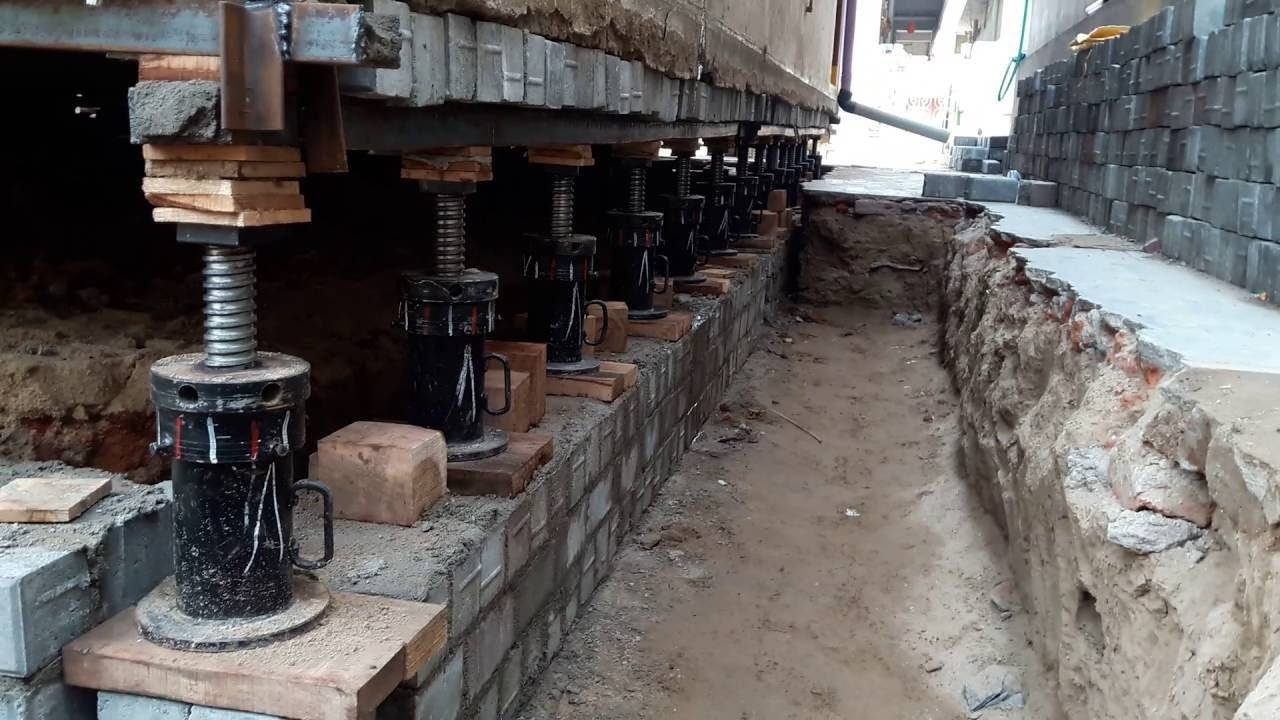
The introduction of hydraulic jacks in structure relocation marked a significant leap forward in technology, allowing you to move buildings with greater precision and control.
This advancement opened up new possibilities for preserving historic structures, even those perched on precarious cliffs or housing delicate objects like church organs. You could now lift and transport buildings with minimal risk of damage, ensuring the integrity of the structure throughout the process.
Hydraulic jacks revolutionized the field by providing the power and flexibility needed to handle diverse relocation challenges. You could adjust the lifting force in real-time, creating a smoother and more controlled movement.
This technology also paved the way for modern communication methods in relocation projects, allowing teams to coordinate efforts efficiently through email and other digital platforms, maximizing the use of available space and resources.
Recent Innovations in Moving Large Structures Safely
Recent innovations in moving large structures have revolutionized the construction and historic preservation industries. You can now witness the use of advanced computer modeling and real-time monitoring systems that provide crucial information throughout the transport process, ensuring the safety of both the structure and surrounding environment.
These technologies allow for precise adjustments and rapid response to any unexpected challenges during relocation.
Another groundbreaking development is the integration of self-propelled modular transporters (SPMTs) in structure relocation. These versatile machines can move massive buildings with unprecedented precision, distributing weight evenly and minimizing stress on the structure.
SPMTs have even been adapted for use in environmentally sensitive areas, with some models designed to minimize impact on local animal habitats during transportation projects.
Understanding the Process of Moving a Building
Moving a building is a complex process that demands meticulous planning and expert execution. Before any structure can be relocated, you must conduct thorough pre-move assessments, secure necessary permits, and navigate legal requirements. Insurance considerations play a crucial role, especially in storm-prone areas where risks are heightened.
Structural engineers are essential in this process, ensuring the building’s stability throughout the move. House structure moving companies utilize advanced techniques and equipment, often advertising their specialized services to homeowners and businesses alike. Understanding each step of this intricate process is key to a successful relocation project.
Pre-Move Assessments and Planning
Before embarking on a building moving project, you must conduct thorough pre-move assessments to evaluate the structure’s condition and the route it will travel.
These assessments consider factors like the building’s weight, dimensions, and structural integrity, as well as potential obstacles along the way, such as overhead power lines or narrow streets.
You’ll also need to account for environmental challenges, including the possibility of rain or the need to cross bodies of water, which might require specialized equipment like boats.
Once the assessment is complete, you’ll work with a reputable building moving company to develop a comprehensive plan. This plan outlines every step of the relocation process, from preparing the structure for transport to securing it at its new location.
The company will help you obtain necessary permits, coordinate with utility companies, and devise strategies to protect the building from water damage during the move. By meticulously planning each aspect of the relocation, you’ll ensure a smoother, safer moving process for your structure.
Securing Permits and Navigating Legal Requirements
Securing permits and navigating legal requirements for house structure moving involves a complex process that varies by location. In North Carolina, for example, you must obtain specific permits for transporting buildings on public roads, which often require detailed plans showing the route, proposed timeline, and safety measures.
You’ll also need to address any potential conflicts with local zoning laws or historic preservation ordinances that might affect the relocation of steel-framed or other types of structures.
The concept of building relocation often intersects with demolition regulations, as some jurisdictions may classify the move as a form of partial demolition.
You’ll need to work closely with local authorities to ensure compliance with all relevant codes and regulations, which may include environmental impact assessments, traffic management plans, and structural integrity evaluations. Engaging a professional house structure moving company can help you navigate these complex legal requirements more efficiently.
The Role of Structural Engineers in Ensuring Stability
Structural engineers play a crucial role in ensuring the stability of buildings during relocation projects, from historic structures in Chicago to modern facilities near airports.
They assess the building’s structural integrity, design reinforcement strategies, and calculate load distribution for safe transport. In complex projects, like moving a dam in Utah, engineers use advanced computer modeling and hydraulics to simulate and plan for various stress scenarios.
These experts also develop custom solutions for unique challenges, such as designing temporary support systems or modifying the building’s structure to withstand the forces of movement.
Their expertise is essential in determining the most appropriate moving method, whether it involves hydraulic systems, rollers, or specialized transporters. The following table illustrates the key responsibilities of structural engineers in building relocation projects:
| Phase | Structural Engineer’s Role |
|---|---|
| Pre-Move Assessment | Evaluate structural integrity, identify weak points |
| Planning | Design reinforcement strategies, calculate load distribution |
| Execution | Monitor structural stability, provide real-time guidance |
| Post-Move | Assess final placement, recommend adjustments |
Innovative Technologies in Modern Building Relocation
Modern building relocation has embraced cutting-edge technologies that revolutionize the way structures are moved, even in challenging coastal environments.
From the beaches of California to weather-battered regions, these innovations have transformed the industry’s image. Self-Propelled Modular Transporters (SPMTs) now navigate complex terrains with precision, while robotics systems assist in maneuvering buildings around obstacles as smoothly as a fish in water.
Advanced lifting and support systems have also emerged, capable of distributing weight evenly and adapting to various structural demands. These technologies not only enhance the efficiency and safety of building relocation but also expand the possibilities of preserving historic structures and adapting urban landscapes to changing needs.

The Use of Self-Propelled Modular Transporters (SPMTs)
Self-Propelled Modular Transporters (SPMTs) have revolutionized the way you move buildings in the United States, from small village structures to massive oceanfront properties.
These advanced machines allow architects and movers to relocate entire buildings with unprecedented precision and efficiency, minimizing the risk of structural damage during transport.
SPMTs can navigate challenging terrains and tight spaces, making them ideal for moving structures in densely populated areas or along coastal regions.
You can witness these marvels of engineering as they seamlessly transport historic buildings or relocate modern structures to safer ground, away from rising sea levels or eroding shorelines.
Incorporating Robotics in Building Movement
Robotics has transformed the way you move structures, from lighthouses perched on coastal cliffs to metal bridges spanning vast waterways.
These advanced machines act as precise navigators, guiding buildings through complex relocation processes with minimal human intervention.
You’ll find robotic systems equipped with sensors and artificial intelligence that can adapt to changing conditions in real-time, ensuring the safety of both the structure and its surrounding habitat.
One of the most impressive applications of robotics in building movement is the use of automated lifting and transport systems. These systems can distribute the weight of a structure evenly across multiple points, reducing stress on the building during relocation.
You can now witness robots working in tandem to move entire neighborhoods, coordinating their efforts with the precision of a well-orchestrated symphony.
- Advanced sensors monitor structural integrity
- AI-driven navigation systems plot optimal routes
- Automated lifting mechanisms distribute weight evenly
- Real-time adjustments ensure smooth transport
- Robotic coordination enables large-scale relocations
Advancements in Lifting and Support Systems
You’ll find modern lifting and support systems designed to withstand extreme conditions, including thunderstorms common along the coast.
These advanced technologies allow for the precise elevation of buildings, even those with heavy concrete foundations, ensuring structural integrity throughout the relocation process.
Engineers have developed hydraulic systems that can distribute weight evenly, minimizing stress on the building during transport.
Innovative support mechanisms now incorporate real-time monitoring and adjustment capabilities, crucial for maintaining stability in dynamic coastal environments.
You can see these systems in action as they seamlessly adapt to changes in terrain or weather conditions, providing unparalleled protection for the structure. These advancements have significantly expanded the scope of building relocation projects, making it possible to move larger and more complex structures with greater efficiency and safety.
Case Studies: Iconic Structures That Were Moved
Structure moving companies have tackled some of the most daunting relocation projects in history, pushing the boundaries of engineering and preservation.
From coastal lighthouses to urban theaters and ancient temples, these case studies showcase the ingenuity required to move iconic structures.
You’ll discover how the Cape Hatteras Lighthouse was carefully shifted away from the encroaching sea, learn about the precision involved in relocating Detroit’s historic Gem Theater—elevator and all—and explore the monumental challenge of moving Egypt’s Abu Simbel Temples to higher ground.
These remarkable feats demonstrate that with the right expertise, even the most seemingly immovable buildings can find new foundations.
The Relocation of the Cape Hatteras Lighthouse
The relocation of the Cape Hatteras Lighthouse in 1999 stands as a testament to the ingenuity of modern structure moving techniques. You witnessed a 4,830-ton, 193-foot-tall brick tower being moved 2,900 feet inland to protect it from coastal erosion, a feat that required meticulous planning and execution.
The project employed a system of hydraulic jacks and roller beams to slowly inch the lighthouse to its new location over the course of 23 days. This move not only preserved a historic landmark but also demonstrated the feasibility of relocating massive structures in response to environmental threats, setting a precedent for future preservation efforts in coastal areas.
Moving the Historic Gem Theater in Detroit
The relocation of Detroit’s historic Gem Theater in 1997 stands as a remarkable feat in structure moving history. You witnessed a 2,700-ton theater being moved five blocks to make way for a new sports complex, setting a Guinness World Record for the heaviest building ever moved on wheels.
This ambitious project required innovative engineering solutions to preserve the theater’s intricate architectural details and ensure structural integrity during transport.
The move involved a complex system of hydraulic jacks, steel beams, and dollies, allowing the building to be slowly inched along specially prepared tracks. The successful relocation of the Gem Theater demonstrated the potential for preserving cultural landmarks in urban development projects:
- Careful planning and site preparation
- Custom-designed moving equipment
- Real-time monitoring of structural stress
- Coordination with city utilities and services
- Precision placement at the new location
The Challenge of Relocating Egypt’s Abu Simbel Temples
The relocation of Egypt’s Abu Simbel temples in the 1960s presented an unprecedented challenge in structure moving. You would have witnessed a monumental effort to save these ancient monuments from the rising waters of the Nile, caused by the construction of the Aswan High Dam.
This project required cutting the temples into more than 1,000 blocks, each weighing up to 30 tons, and reassembling them with precision on higher ground.
Engineers faced unique obstacles, including the need to maintain the temples’ original alignment with the sun and preserving delicate carvings and paintings.
The project’s success relied on innovative surveying techniques, custom-built equipment, and international cooperation. You can now visit these temples in their new location, 65 meters higher and 200 meters back from their original site, standing as a testament to human ingenuity in preserving cultural heritage.
The Environmental Impacts of Moving Buildings
Moving buildings, rather than demolishing them, offers significant environmental benefits that align with sustainable development goals. By relocating structures, you reduce construction waste, preserve embodied energy, and minimize the need for new materials.
This practice plays a crucial role in urban renewal efforts, allowing cities to repurpose existing buildings and revitalize neighborhoods without extensive demolition.
Strategic planning in building relocation can further mitigate environmental impacts by optimizing transportation routes, using eco-friendly moving techniques, and ensuring proper site preparation at the new location.
These approaches not only conserve resources but also contribute to the preservation of architectural heritage and the reduction of carbon footprints associated with new construction.
Reducing Waste Through Structure Relocation
Structure relocation significantly reduces construction waste by preserving existing buildings rather than demolishing them. You save thousands of tons of debris from landfills when you move a structure instead of tearing it down, conserving valuable resources and energy.
This approach aligns with sustainable construction practices, minimizing the environmental impact associated with new building projects.
By relocating buildings, you also preserve the embodied energy invested in the original construction. This includes the energy used to manufacture and transport materials, as well as the labor and resources expended during the initial building process.
Reusing these structures through relocation extends their lifecycle, maximizing the utility of the resources already invested and reducing the need for new raw materials.
The Role of Building Movement in Urban Renewal
Building movement plays a crucial role in urban renewal, allowing cities to preserve historic structures while accommodating modern development needs.
You can witness entire neighborhoods transformed as buildings are strategically relocated to create open spaces, improve traffic flow, or repurpose valuable land for new projects.
This approach maintains the character and cultural heritage of urban areas while facilitating necessary growth and infrastructure improvements.
By relocating buildings instead of demolishing them, you contribute to sustainable urban development and reduce the environmental impact of construction.
You can observe how this practice helps maintain the architectural diversity of cities, blending old and new elements to create vibrant, multi-layered urban landscapes.
Building movement in urban renewal projects also often involves upgrading relocated structures to meet current energy efficiency standards, further enhancing the environmental benefits of this innovative approach.
Mitigating Environmental Impact With Strategic Planning
You can significantly reduce the environmental impact of building relocation through strategic planning. By carefully selecting optimal routes and timing the move during off-peak traffic hours, you minimize fuel consumption and emissions from transport vehicles.
Additionally, you can implement site-specific erosion control measures and habitat protection strategies to safeguard local ecosystems during the relocation process.
Incorporating green technologies into the moving process further mitigates environmental impacts. You can utilize solar-powered equipment for lifting and transportation, employ biodegradable lubricants for machinery, and implement water recycling systems during site preparation.
These innovative approaches not only reduce the carbon footprint of building relocation but also set new standards for sustainable construction practices.
Future Trends in the Movement of Structures
The future of structure movement is poised for significant advancements, driven by sustainability concerns, technological innovations, and the integration of artificial intelligence.
You’ll see a shift towards more eco-friendly relocation methods, minimizing environmental impact while preserving architectural heritage. Emerging technologies promise to revolutionize the way buildings are moved, offering increased precision, safety, and efficiency.
Artificial intelligence and machine learning algorithms are set to transform project planning and execution, optimizing every aspect of the relocation process. These developments will not only expand the possibilities of what can be moved but also reshape urban landscapes and preservation strategies in the coming years.

Sustainable Practices in Building Relocation
You’ll witness a growing emphasis on sustainable practices in building relocation as the industry evolves. These practices will focus on minimizing environmental impact through the use of eco-friendly materials, renewable energy sources, and waste reduction strategies during the relocation process.
Innovative techniques will emerge to address the unique challenges of moving structures in environmentally sensitive areas. You’ll see the development of low-impact transportation methods and advanced site preparation techniques that protect local ecosystems while ensuring successful relocations:
- Implementation of biodegradable lubricants and hydraulic fluids
- Use of electric and hybrid vehicles for transportation
- Development of modular relocation systems for reduced on-site impact
- Integration of recycled materials in temporary support structures
- Application of advanced erosion control measures during site preparation
Predictions for Technological Advancements
You’ll witness groundbreaking advancements in structure-moving technology in the coming years. Expect to see the development of advanced lightweight materials that can support massive structures while reducing the overall weight of moving equipment.
These innovations will allow for the relocation of larger and more complex buildings with greater ease and precision.
Artificial intelligence and machine learning will revolutionize the planning and execution of building relocations. You’ll encounter sophisticated algorithms that can analyze structural integrity, predict potential obstacles, and optimize moving routes in real-time.
These technologies will enhance safety, reduce costs, and minimize environmental impact during relocation projects:
- Nano-engineered materials for stronger, lighter support systems
- AI-powered route optimization and risk assessment tools
- Autonomous moving vehicles capable of navigating complex terrain
- Augmented reality systems for enhanced project visualization
- Self-healing concrete for immediate structural repairs during transport
The Potential for AI and Machine Learning in Moving Buildings
You’ll soon witness AI and machine learning revolutionizing the building relocation industry. These technologies will analyze vast amounts of data to optimize every aspect of the moving process, from route planning to real-time structural stress management.
Advanced algorithms will predict potential issues before they occur, allowing for proactive solutions and significantly reducing risks associated with complex relocations.
Machine learning models will continually improve their performance by learning from each successful move, refining techniques for future projects.
You’ll see AI-powered systems coordinating multiple aspects of building relocation simultaneously, such as traffic flow management, utility disconnection and reconnection, and environmental impact mitigation.
This integration of artificial intelligence will not only increase efficiency but also expand the possibilities of what structures can be safely relocated.
Conclusion
Innovative techniques in moving structures and buildings have revolutionized preservation efforts, urban development, and environmental conservation.
These advancements, from hydraulic jacks to self-propelled modular transporters, have expanded the possibilities of what can be relocated, enabling the preservation of historic landmarks and the adaptation of urban landscapes to changing needs.
The integration of cutting-edge technologies, such as robotics and AI-driven systems, has significantly improved the precision, safety, and efficiency of structure relocation projects.