House elevation is a critical procedure for homeowners in flood-prone areas or those dealing with foundation issues. Elevating your home can protect it from water damage, increase its value, and enhance its structural integrity. This guide explores the various techniques used for house elevation, their pros and cons, cost implications, and real-life success stories.
Key Takeaways
- House elevation techniques vary in method and complexity, including hydraulic jacking, helical piers, and slab jacking.
- Each technique has its own set of advantages and disadvantages, depending on the specific needs of the home.
- Costs can vary widely based on the chosen technique, house size, and regional factors.
- Choosing the right elevation method depends on factors like soil conditions, house structure, and budget.
- Successful case studies highlight the long-term benefits of proper house elevation.
Different House Elevation Techniques
Hydraulic Jacking
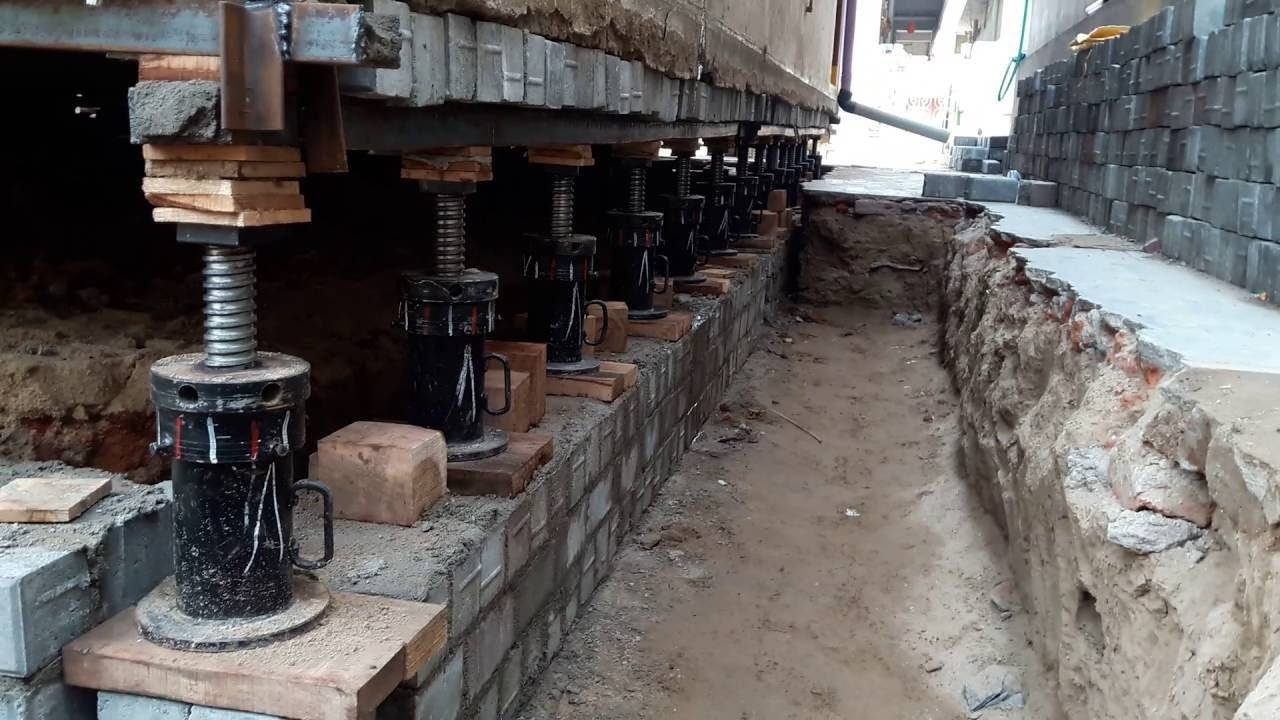
Hydraulic jacking involves using hydraulic jacks to lift the house evenly and safely. This method is commonly used for significant elevation projects and major foundation repairs. Hydraulic jacking ensures precision and can handle heavy loads, making it suitable for large or multi-story homes.
Helical Piers
Helical piers are steel shafts with helical plates that are screwed into the ground to support and lift the foundation. This method is ideal for stabilizing homes in areas with unstable soil conditions. Helical piers provide a solid foundation and can be used for both lifting and stabilizing purposes.
Slab Jacking
Slab jacking, also known as mud jacking, involves pumping a slurry mixture beneath a concrete slab to lift it. This technique is commonly used for minor adjustments and leveling concrete surfaces like driveways and patios. Slab jacking is less invasive and more cost-effective for smaller projects.
Screw Jacks
Screw jacks are manually operated devices used for lifting and supporting structures. They are often used in conjunction with other lifting methods to provide additional support and stability during the elevation process. Screw jacks are suitable for small-scale lifting projects.
Elevation by Piering
Piering involves installing piers deep into the ground to lift and support the foundation. This method is effective for homes with severe foundation issues or those built on unstable soil. Piering provides long-term stability and is a permanent solution to foundation problems.

Pros and Cons of Each Technique
Hydraulic Jacking
Pros:
- High precision and control.
- Suitable for large and heavy structures.
- Effective for significant elevation projects.
Cons:
- Can be expensive.
- Requires specialized equipment and expertise.
Helical Piers
Pros:
- Effective in unstable soil conditions.
- Provides solid and stable support.
- Can be used for both lifting and stabilization.
Cons:
- Installation can be complex.
- May be more costly than other methods.
Slab Jacking
Pros:
- Less invasive and more cost-effective.
- Quick and efficient for minor adjustments.
- Minimal disruption to the property.
Cons:
- Not suitable for major elevation projects.
- Limited to concrete slabs and small adjustments.
Screw Jacks
Pros:
- Simple and cost-effective.
- Provides additional support during elevation.
- Easy to install and adjust.
Cons:
- Suitable only for small-scale projects.
- Limited lifting capacity.
Elevation by Piering
Pros:
- Long-term stability and support.
- Effective for severe foundation issues.
- Permanent solution for foundation problems.
Cons:
- Can be expensive and time-consuming.
- Requires significant excavation and disruption.
Choosing the Right Technique for Your Home
Assessing Soil Conditions
Soil conditions play a crucial role in determining the best elevation technique. Homes built on unstable or shifting soils may benefit more from helical piers or piering methods. Conducting a thorough soil analysis can help in choosing the most suitable technique.
Considering House Structure
The structure and weight of the house also influence the choice of elevation method. Larger, multi-story homes may require the precision and strength of hydraulic jacking, while smaller, single-story homes might be adequately lifted with slab jacking or screw jacks.
Budget and Cost Considerations
Budget is a significant factor in selecting an elevation technique. Hydraulic jacking and piering tend to be more expensive but offer long-term benefits and stability. Slab jacking and screw jacks are more cost-effective for minor adjustments. It’s essential to balance cost with the effectiveness and longevity of the chosen method.
Consulting with Experts
Consulting with foundation repair experts can provide valuable insights and recommendations tailored to your specific situation. Experienced professionals can assess your home, soil conditions, and budget to recommend the best elevation technique.

Cost Implications of Different Techniques
Hydraulic Jacking
Hydraulic jacking is typically the most expensive method, with costs ranging from $20,000 to $80,000, depending on the house size and complexity of the project.
Helical Piers
Helical piers can cost between $10,000 and $40,000, influenced by the number of piers required and the depth they need to be installed.
Slab Jacking
Slab jacking is one of the more affordable options, with costs ranging from $3,000 to $8,000, depending on the extent of the work needed.
Screw Jacks
Screw jacks are cost-effective, usually ranging from $1,000 to $5,000, depending on the scale of the project and the number of jacks used.
Elevation by Piering
Piering can be costly, with prices ranging from $15,000 to $50,000, depending on the severity of the foundation issues and the number of piers required.
How Terrafirm Leveling Can Help
Terrafirm Leveling specializes in house elevation and foundation repair services tailored to the unique challenges of the Gulf Coast. With over two decades of experience, we provide targeted, efficient solutions that restore peace of mind and protect your investment. Our expert team uses cutting-edge techniques and unparalleled craftsmanship to ensure your home remains safe and stable for generations to come. Contact us today to learn how we can help with your house elevation needs.

Conclusion
House elevation is a crucial process for homeowners dealing with foundation issues, flood risks, or planning significant renovations. Understanding the different techniques, their pros and cons, cost implications, and real-life success stories can help you make informed decisions. With the expertise of Terrafirm Leveling, you can ensure your house elevation project is done right, providing long-lasting stability and peace of mind.
FAQs
1. What is house elevation?
House elevation involves raising a house from its foundation to protect it from flooding, repair the foundation, or create additional space.
2. How long does the house elevation process take?
The duration depends on the size and condition of the house, as well as the complexity of the project. Typically, it ranges from a few days to several weeks.
3. Is house elevation safe?
Yes, when performed by experienced professionals, house elevation is a safe and effective method for protecting homes and ensuring their structural integrity.
4. How much does it cost to elevate a house?
Costs can vary widely based on factors such as house size, foundation type, and local labor rates. On average, costs range from $20,000 to $100,000.
5. What are the benefits of house elevation?
Benefits include improved structural integrity, increased property value, enhanced safety, and additional living space.
6. Can all houses be elevated?
Most houses can be elevated, but the feasibility depends on the structure’s condition and the surrounding environment.
7. What types of foundations are suitable for elevation?
Both pier and beam and slab foundations can be elevated, though the methods and costs may differ.
8. What permits are needed for house elevation?
Permits vary by location but generally include building permits and floodplain development permits. Check with local authorities for specific requirements.
9. Will elevating my house prevent future foundation problems?
Yes, elevating and repairing the foundation stabilize the structure and prevent future damage from flooding and soil instability.
10. How can Terrafirm Leveling help with my house elevation needs?
Terrafirm Leveling offers expert house elevation and foundation repair services, ensuring your home remains safe and stable. Contact us for a consultation