If you’ve noticed cracks in your walls, uneven floors, or doors that no longer close properly, your home may be experiencing foundation issues. These problems can be stressful, but the good news is that foundation repair is a well-understood process, and with the right guidance, you can make informed decisions.
In this comprehensive guide, we’ll walk you through everything you need to know about foundation repair, including the warning signs, causes, repair methods, costs, timelines, and how to choose the right contractor.
What Is Foundation Repair?
Foundation repair refers to the process of correcting structural issues in a building’s foundation. This can involve lifting and stabilising a sinking slab, reinforcing damaged piers and beams, or addressing soil-related issues causing movement.
Why it matters: A compromised foundation can affect your home’s structural integrity, reduce its value, and even become a safety hazard.
Common Signs Your Home Needs Foundation Repair
Early detection can save you money and prevent further damage. Look out for:
- Cracks in walls, ceilings, or floors
- Doors and windows sticking or misaligned
- Uneven or sloping floors
- Gaps between walls and ceilings or floors
- Moisture intrusion in basements or crawl spaces
- Separation around garage doors or chimney
- Exterior brickwork cracking
What Causes Foundation Problems?
Several factors can lead to foundation issues:
- Soil movement: Expansive clay soils common in Texas swell when wet and shrink when dry, causing movement.
- Poor drainage: Water pooling around the foundation can erode the soil.
- Tree roots: Roots from large trees can pull moisture from the soil, causing shifts.
- Plumbing leaks: Undetected leaks beneath the foundation can soften the soil.
- Poor construction: Inadequate footing design or substandard materials can cause early failure.
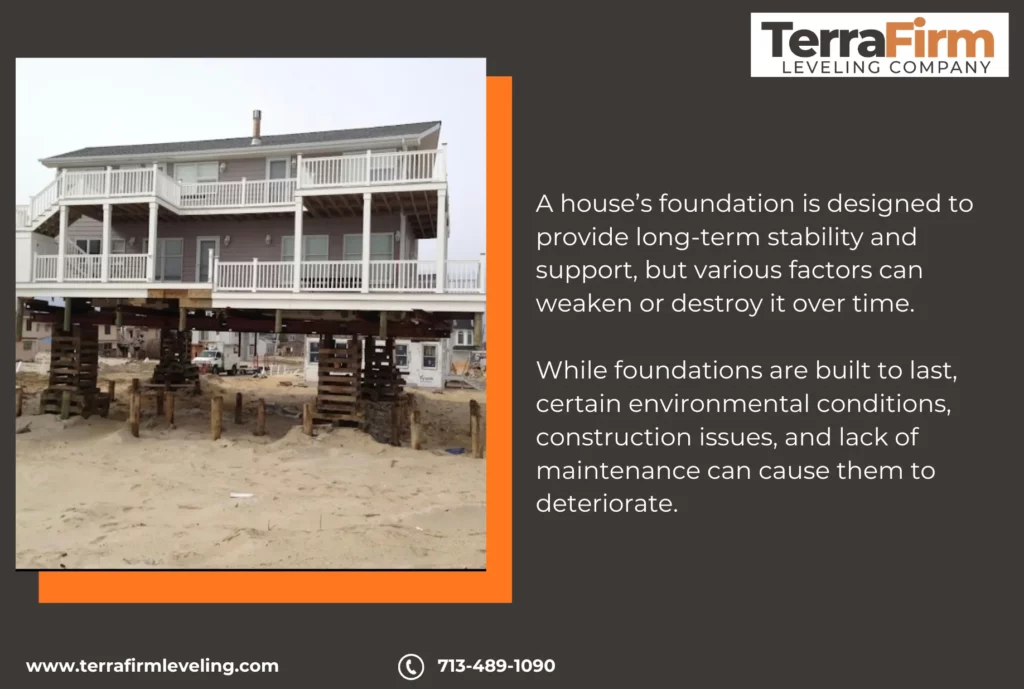
Foundation Repair Methods Explained
Different problems require different solutions. Here are the most common methods used by professionals:
1. Concrete Piers
- Installed under the foundation to stabilise and lift it.
- Best for heavy homes with deep foundation issues.
2. Steel Piers
- Driven deep into the ground until they reach stable soil or bedrock.
- More expensive but extremely durable.
3. Helical Piers
- Screw-like steel shafts ideal for lighter structures or limited access areas.
- Common in both new construction and repairs.
4. Mudjacking / Slabjacking
- Involves injecting a grout slurry beneath a sunken slab to lift it.
- Suitable for minor slab issues but not always permanent.
5. Foam Injection
- Expands quickly to lift concrete and fill voids.
- Lightweight, clean, and fast-curing.
DIY vs. Professional Foundation Repair
While small cosmetic cracks can be patched by homeowners, structural issues require a licensed foundation specialist.
DIY is appropriate for:
- Minor, hairline surface cracks
- Temporary water drainage fixes
Call a professional if you notice:
- Wide or expanding cracks
- Sagging floors or walls
- Persistent moisture or mildew
- Shifting door frames or windows
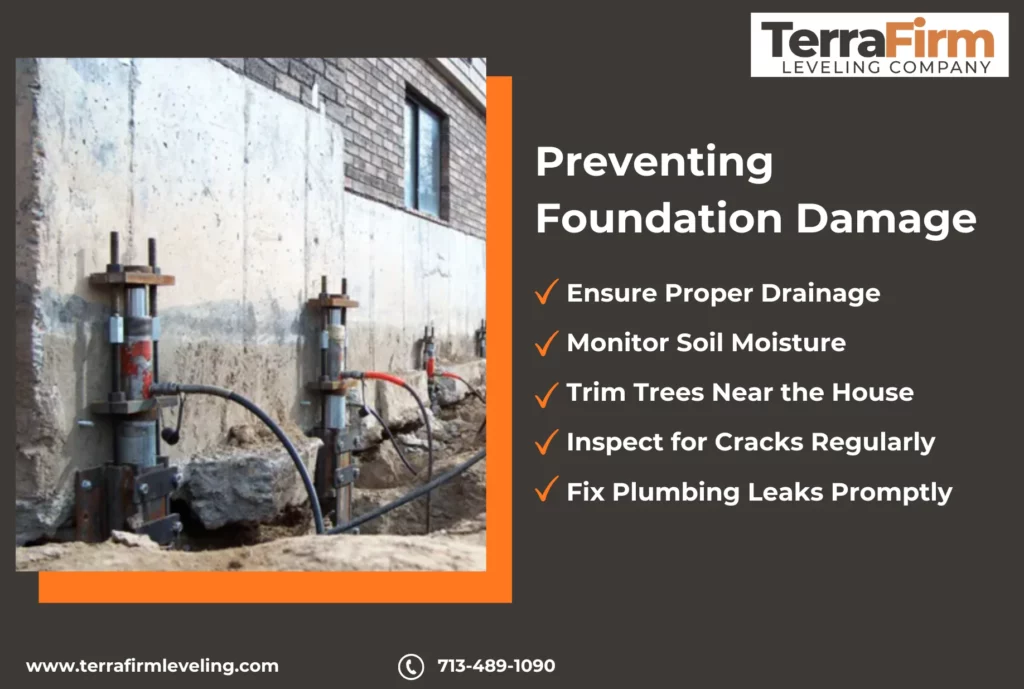
How Much Does Foundation Repair Cost?
Foundation repair costs in Texas typically range from $4,000 to $15,000, depending on:
- Severity of damage
- Type of foundation
- Required repair method
- Accessibility and soil condition
Cost breakdown example:
- Crack repair: $500–$2,500
- Pier installation: $1,000–$3,000 per pier
- Slab lifting: $2,500–$6,000
- Full foundation replacement: $20,000+
How Long Does Foundation Repair Take?
Repair times depend on the scope and method used:
- Minor crack sealing: 1–2 hours
- Slabjacking or foam injection: 1–2 days
- Pier installation: 3–10 days
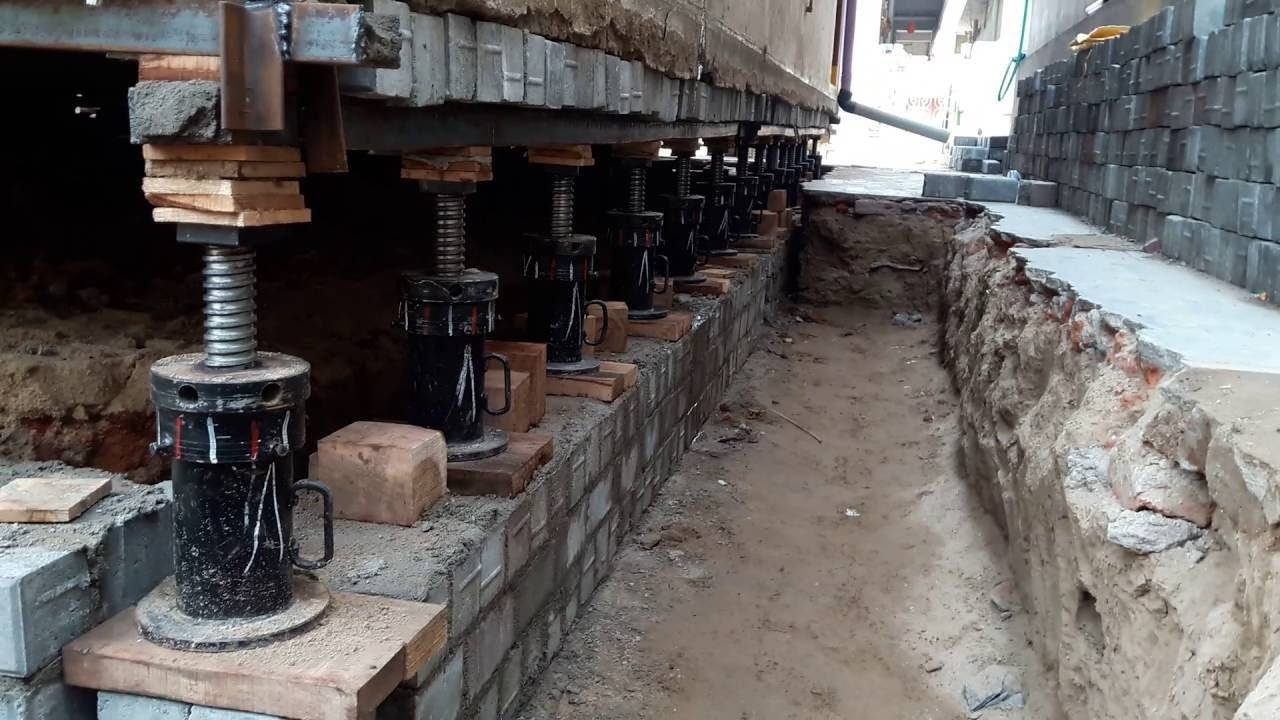
- Full underpinning or house lifting: Several weeks
Your contractor should provide a clear timeline during the consultation.
What Is the Process of Foundation Repair?
Here’s what to expect:
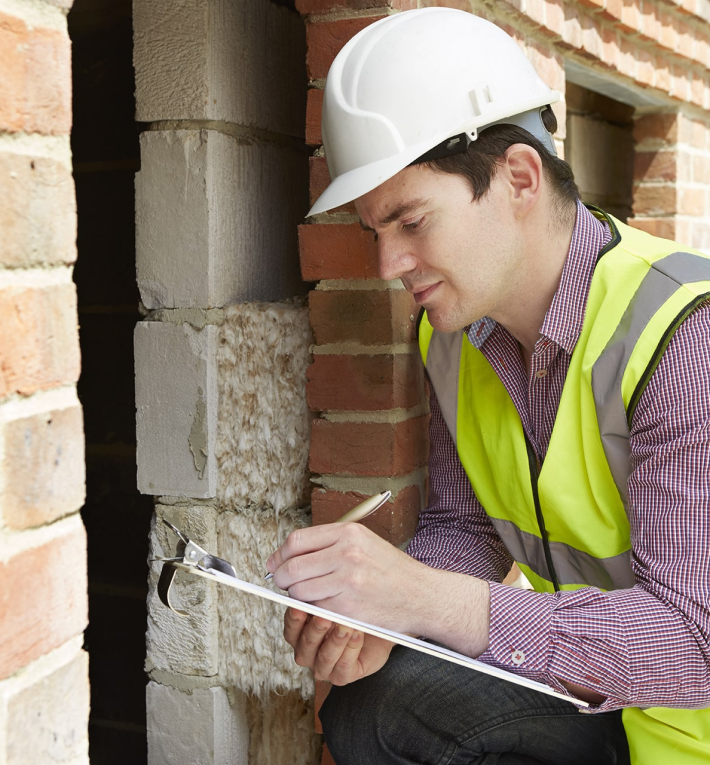
- Initial Inspection
A specialist evaluates your home’s condition, identifies signs of damage, and checks soil stability. - Proposal & Quote
You’ll receive a repair plan outlining the method, materials, cost, and duration. - Permits & Preparation
Contractors secure the necessary permits and prepare the site for safe access. - Repair Work
Repairs are carried out using the agreed method, pier installation, mudjacking, or structural reinforcement. - Post-Repair Assessment
A final inspection ensures stability, followed by recommendations to prevent future issues.
Choosing the Right Foundation Repair Contractor
When selecting a provider, look for:
- Proper licensing and insurance
- Experience with local soil conditions
- Positive customer reviews
- Transparent quotes and warranties
- No high-pressure sales tactics
At TerraFirm Leveling, we provide trusted foundation repair services across Houston and the Gulf Coast. With over 20 years of experience and tailored solutions for Texas soils, we’re here to help.
FAQs About Foundation Repair
How do I know if a crack is serious?
If the crack is wider than 1/8 inch, growing over time, or angled diagonally, it’s best to call a professional.
Can foundation problems affect resale value?
Yes, homes with unresolved foundation issues may see reduced property value or fail building inspections.
Is foundation repair covered by insurance?
Typically, insurance doesn’t cover damage from soil movement, but it may cover repairs due to plumbing leaks or natural disasters, check your policy.
Will my home be safe during repairs?
Yes, experienced contractors work carefully to ensure safety and minimal disruption. You may not need to vacate your home depending on the method used.
Advice for Homeowners
Foundation repair can feel overwhelming, but understanding the process puts the power back in your hands. Acting early, hiring a trusted local expert, and maintaining your foundation post-repair can save thousands in future repairs.
If you suspect a foundation issue or just want peace of mind,contact TerraFirm Leveling today for a free inspection. We’re here to help protect your home, your investment, and your family.